
What Hurts Home Value the Most?
For most homeowners, a home is more than just a place to live. It is often their largest financial asset, a source of security, and the backdrop for some of life’s biggest moments. That is why it can feel shocking when a home does not sell quickly, receives low offers, or struggles to compete with nearby properties.
Many homeowners assume home values are influenced only by the market. Interest rates, inventory levels, and economic conditions absolutely matter. But what often surprises people is how much control homeowners actually have over protecting—or hurting—the value of their property.
The truth is, buyers notice everything.
They notice deferred maintenance. They notice strange layouts. They notice poor lighting, neglected landscaping, outdated finishes, and signs that a home has not been cared for. Even subtle issues can quietly shape how buyers emotionally respond to a property.
And in today’s market, where buyers are more cautious and more informed than ever, homes that feel neglected or overpriced can quickly lose momentum.
So what hurts home value the most?
It is usually not one catastrophic issue.
It is the accumulation of small problems, overlooked details, and strategic mistakes that slowly chip away at buyer confidence.
Understanding these factors is one of the most important things homeowners can do if they want to protect their investment and maximize future resale value.
Deferred Maintenance Sends the Wrong Message
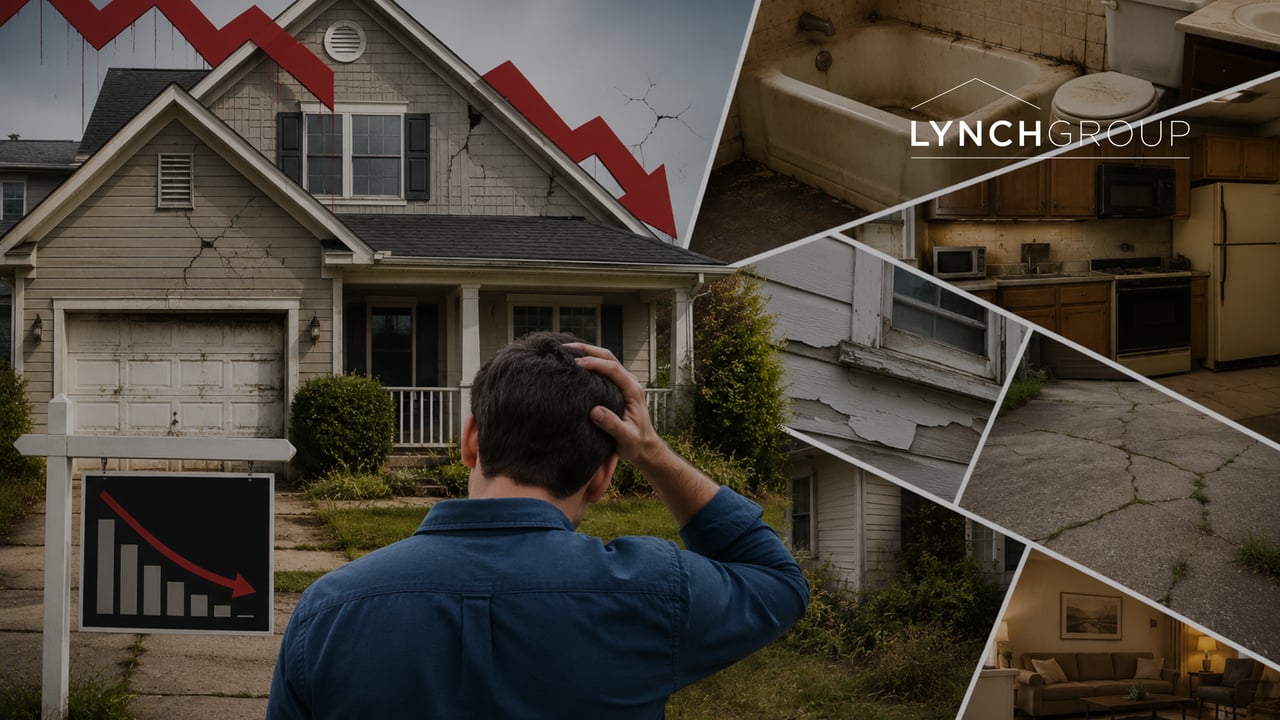
One of the fastest ways to hurt a home’s value is deferred maintenance.
Even when cosmetic issues seem minor to a homeowner, buyers often interpret them differently. Peeling paint, damaged flooring, leaking faucets, cracked caulking, broken screens, stained ceilings, aging HVAC systems, and neglected landscaping all create a psychological effect.
Buyers begin wondering:
- “What else has not been maintained?”
That question alone can reduce buyer confidence dramatically.
A home does not need to be perfect to sell well. But it does need to feel cared for.
When buyers walk through a property and notice multiple maintenance concerns, they often assume larger hidden problems exist behind the walls. That uncertainty creates hesitation, lower offers, and longer days on market.
In competitive real estate markets like Orange County, presentation matters even more because buyers have options. Homes that feel move-in ready almost always outperform homes that feel like projects.
Routine upkeep protects value over time because it prevents small issues from becoming expensive ones later.
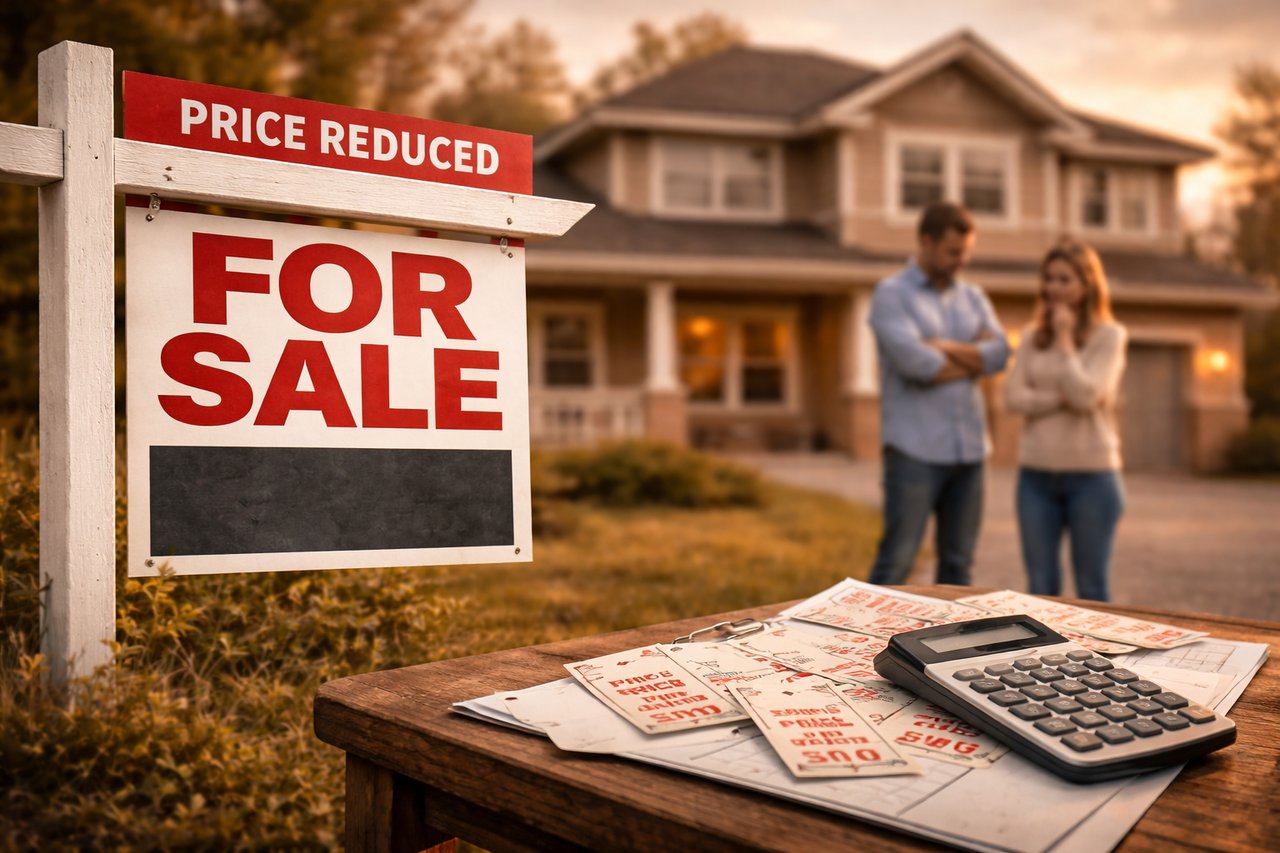
Overpricing Can Damage a Home More Than Underpricing
Many homeowners believe pricing high leaves “room to negotiate.”
In reality, overpricing is one of the biggest mistakes sellers make.
Today’s buyers are extremely educated. They are watching the market daily. They compare homes online instantly. They know when something feels overpriced.
When a property enters the market too high, several things happen:
- The initial excitement fades.
- Showings slow down.
- Online engagement drops.
- The listing becomes stale.
- Eventually, price reductions begin.
Ironically, repeated price reductions often create the impression that something is wrong with the property—even when nothing actually is.
The longer a home sits, the more leverage shifts toward buyers.
Strategic pricing is not about chasing the highest number emotionally. It is about positioning the property to create demand, competition, urgency, and strong buyer perception.
Homes that are priced correctly from the beginning often generate stronger offers and better terms than homes that start high and chase the market downward.
Outdated Homes Can Struggle to Compete
Not every home needs a full renovation to maintain value.
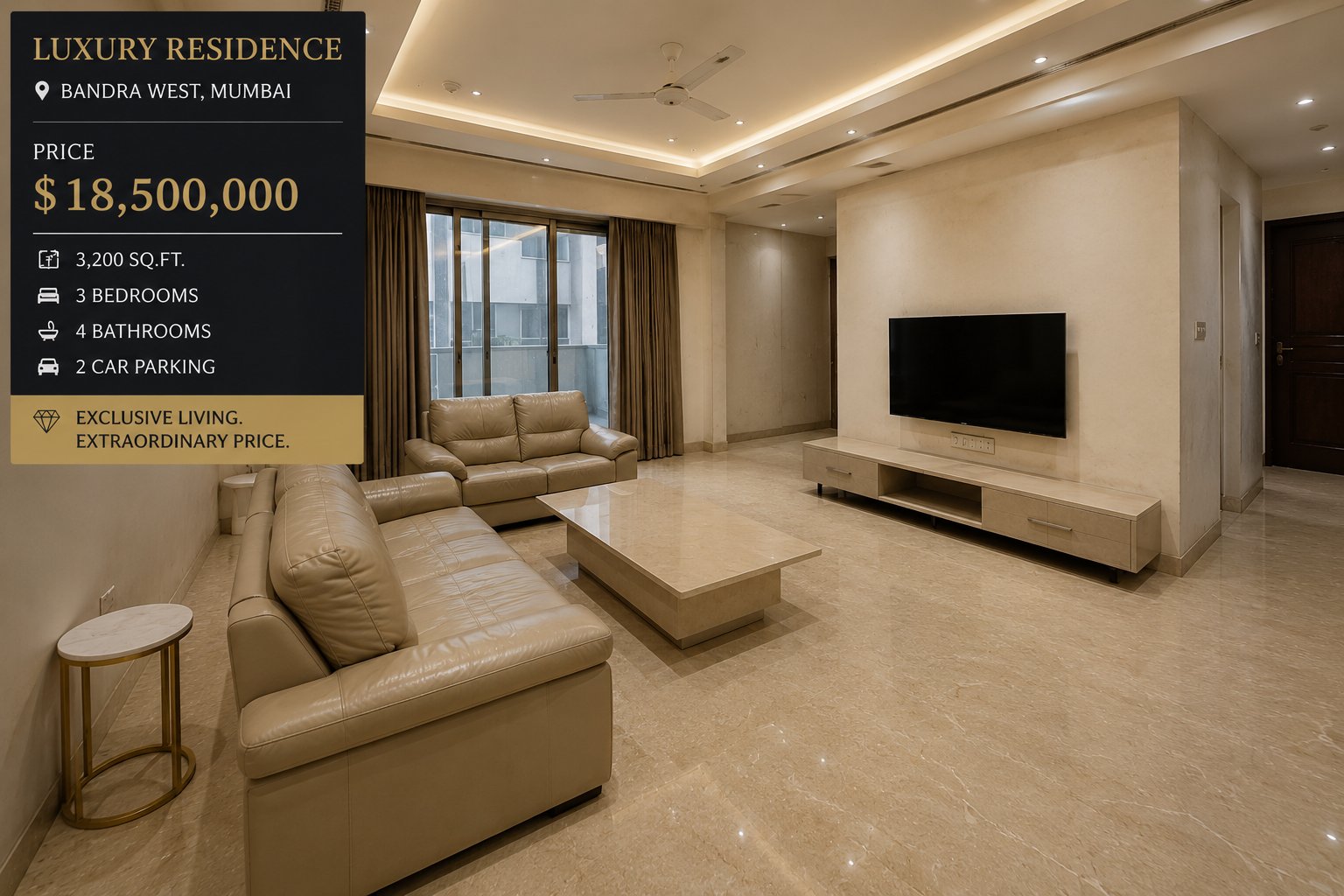
However, homes that feel severely outdated can struggle when compared to updated competing properties.
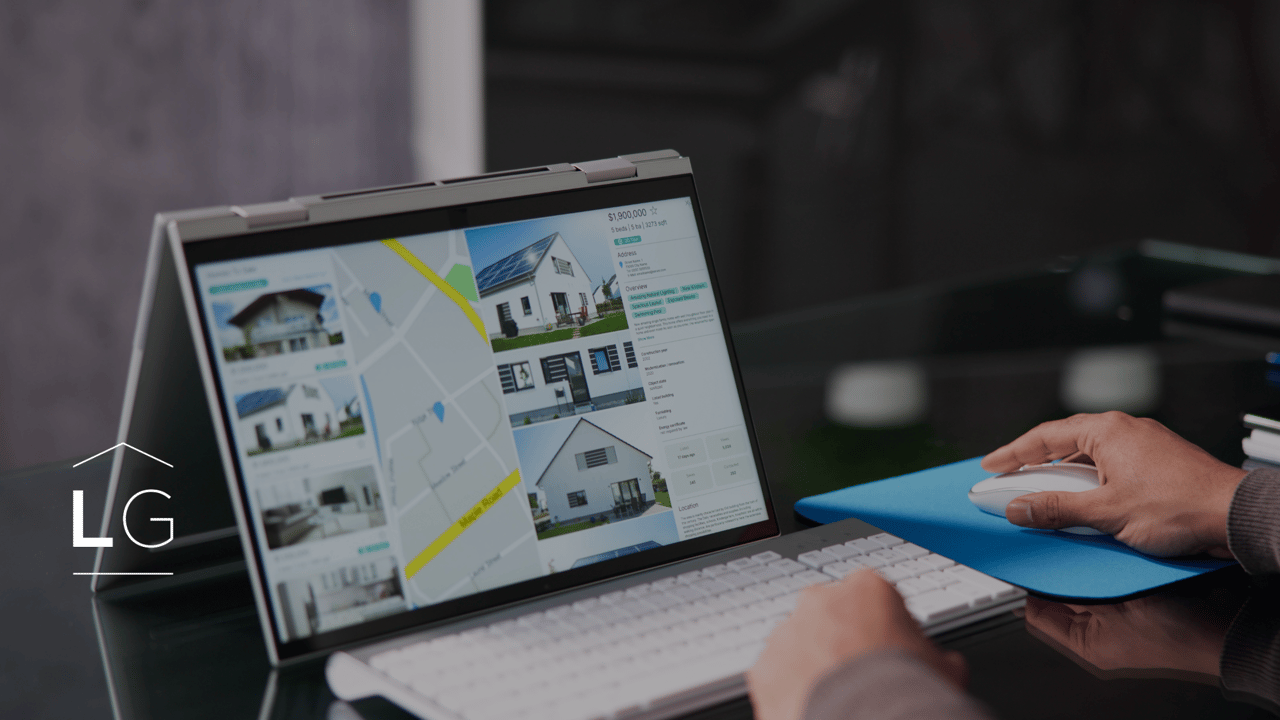
Buyers today are heavily influenced by visual presentation because their first interaction with a home usually happens online. If a property immediately feels old, dark, or dated in photos, many buyers never schedule a showing at all.
This does not mean homeowners need to follow every design trend.
But there are certain outdated features that consistently hurt perceived value:
- Heavy dark finishes
- Old carpet
- Yellowing lighting
- Busy countertops
- Popcorn ceilings
- Worn cabinetry
- Outdated tile patterns
- Poor lighting design
Homes that feel brighter, cleaner, and more modern typically create stronger emotional reactions from buyers.
Even relatively affordable updates—fresh paint, updated lighting fixtures, modern hardware, landscaping improvements, and staging—can dramatically improve how a home is perceived.
The key is not creating a trendy home.
It is creating a home that feels fresh, clean, and emotionally inviting.
Poor Layouts Can Impact Value More Than Size
Many homeowners focus heavily on square footage.
But buyers care just as much about functionality.
A poorly designed floorplan can negatively affect value even in a large home.
Examples include:
- Tiny kitchens in large homes
- Awkward room flow
- Blocked natural light
- Poor bedroom placement
- Lack of storage
- Low ceilings
- Narrow hallways
- Unusable bonus spaces
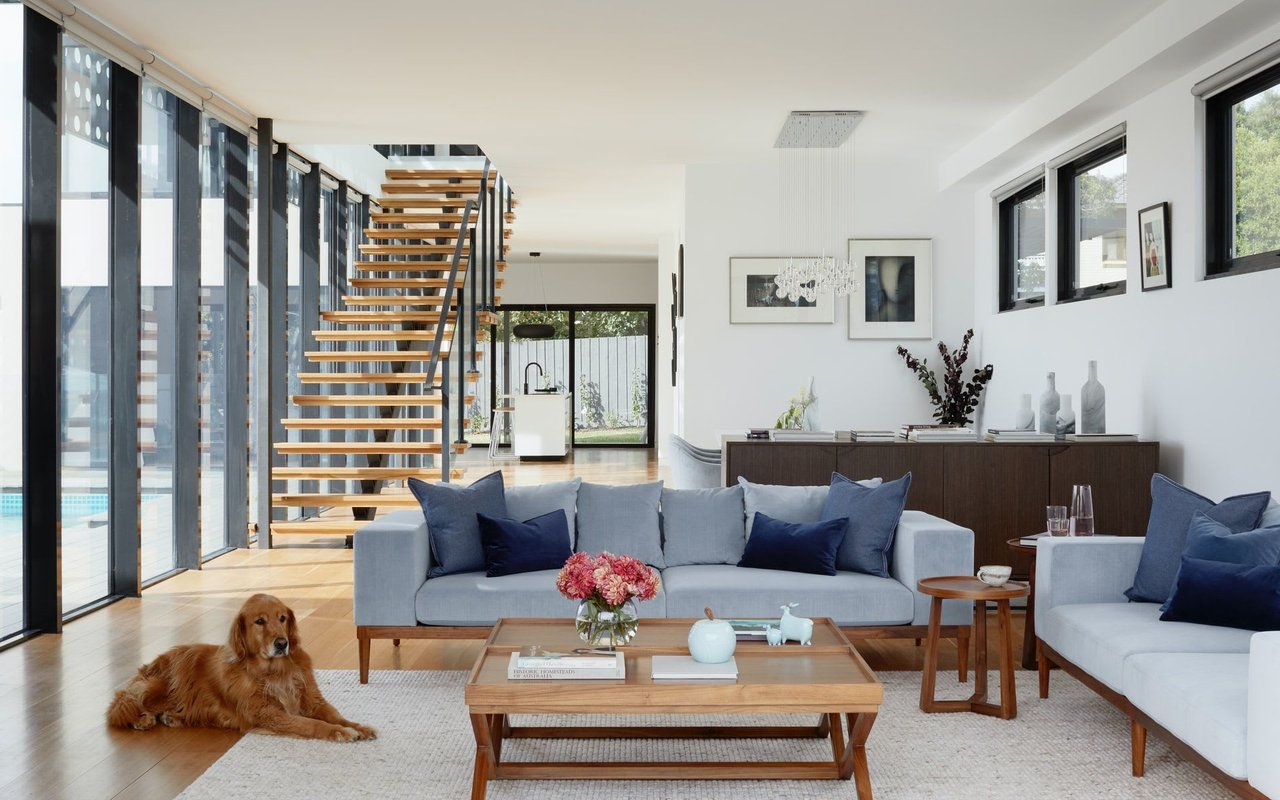
Today’s buyers prioritize lifestyle and usability. They want homes that feel comfortable, efficient, and adaptable to modern living.
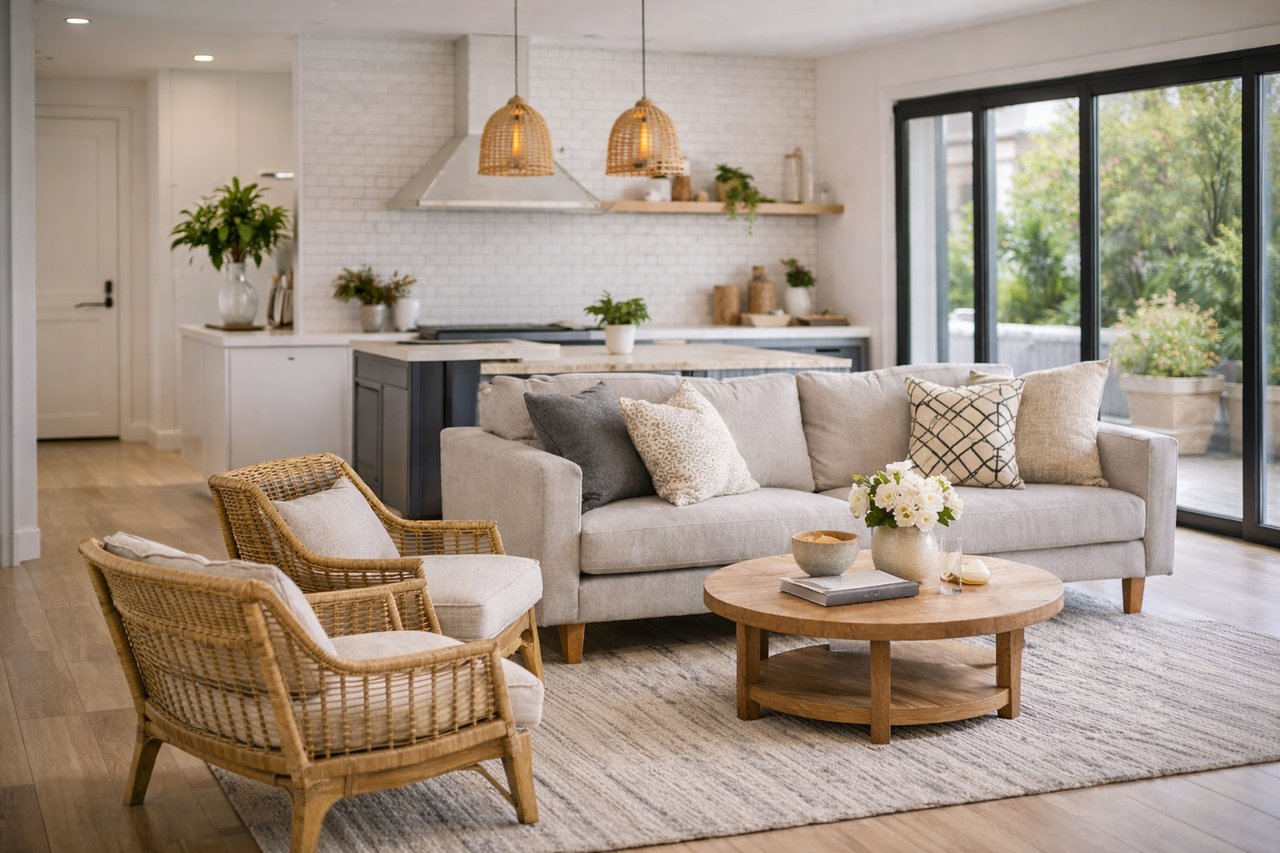
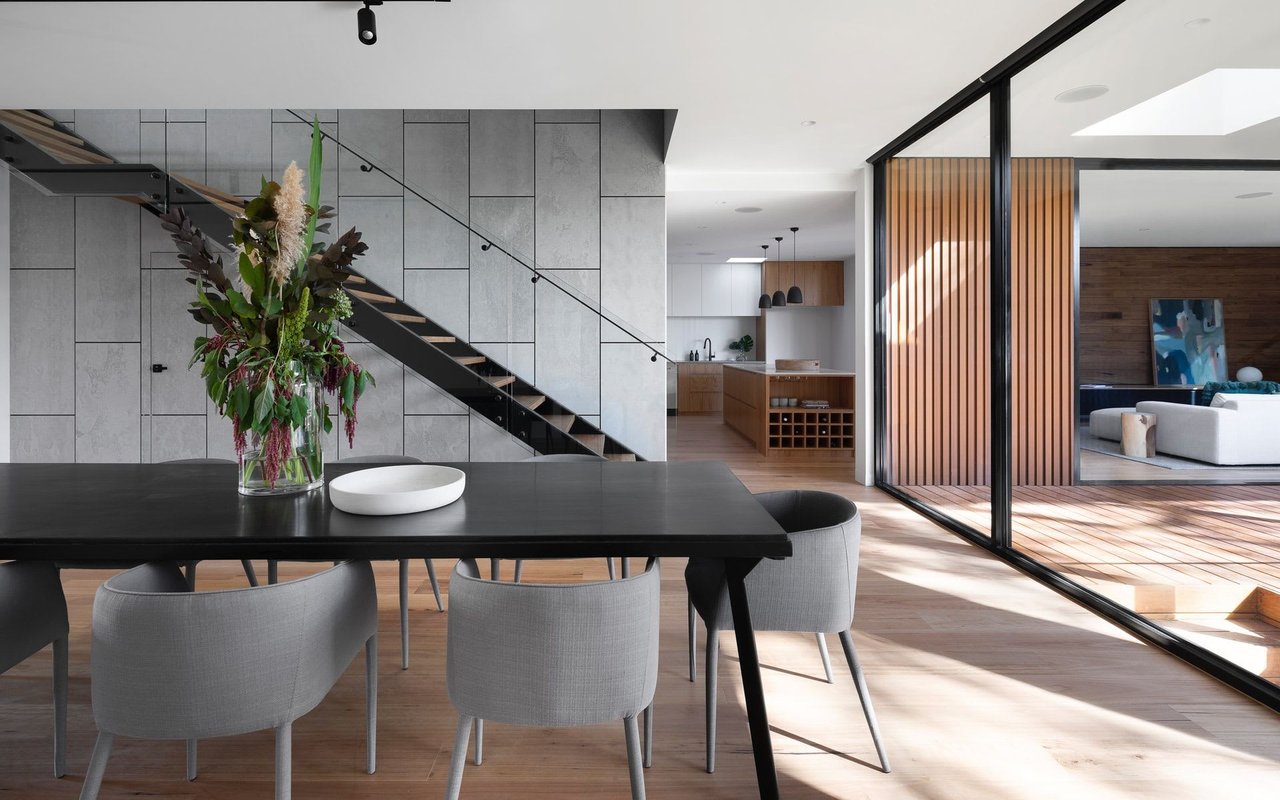
Open-concept living remains popular because it improves flow and connection between spaces. Flexible rooms that can function as offices, gyms, guest rooms, or media spaces also add value because buyers increasingly want versatility.
A home that feels smaller but functions well can often outperform a larger home with awkward design limitations.
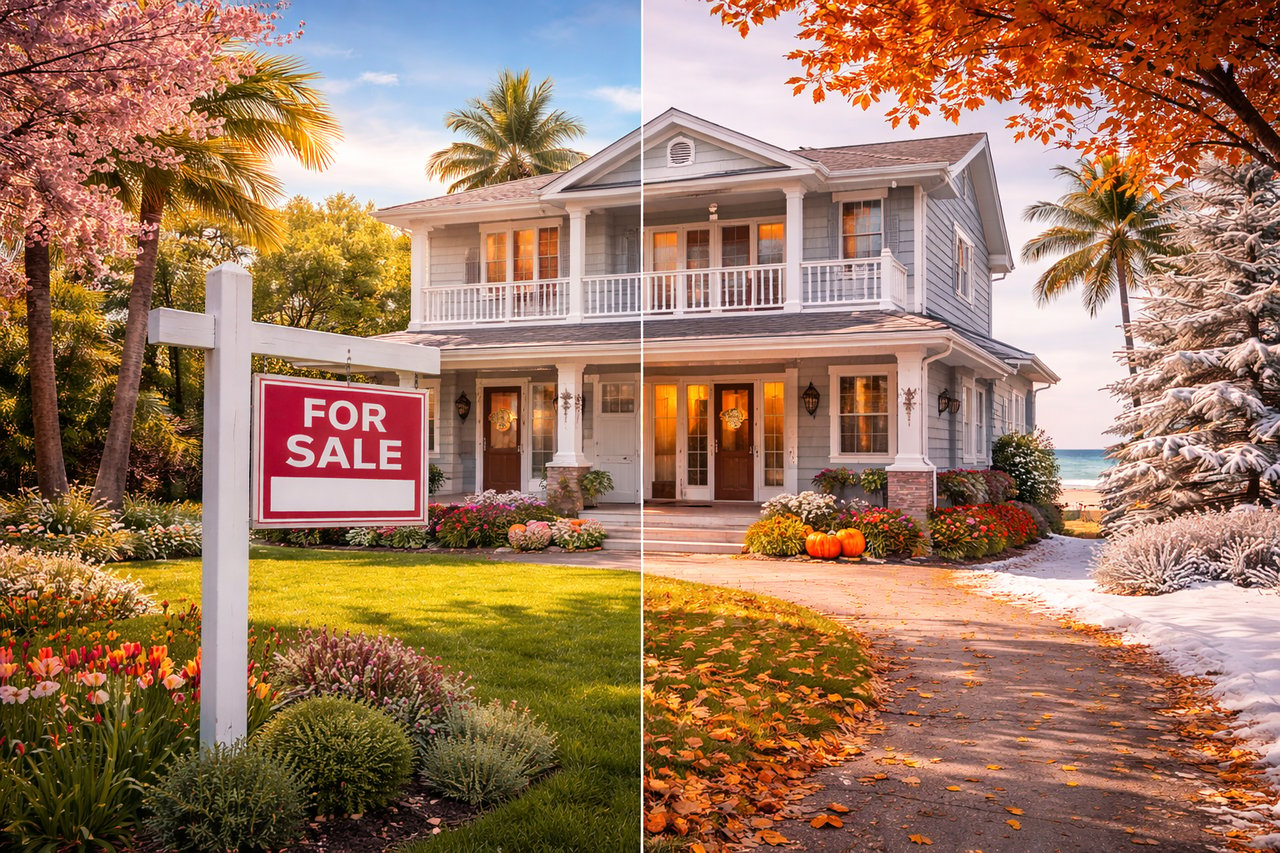
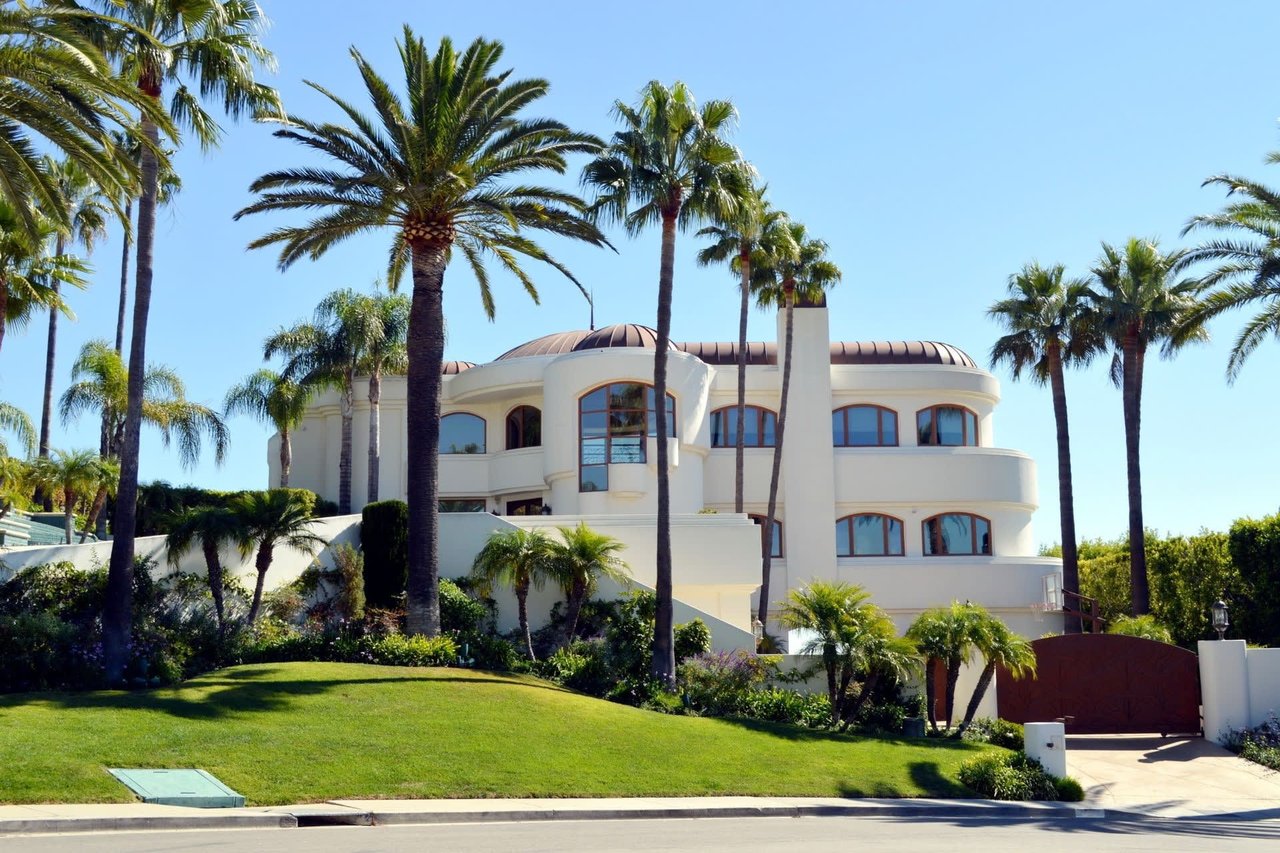
Neglected Curb Appeal Hurts First Impressions
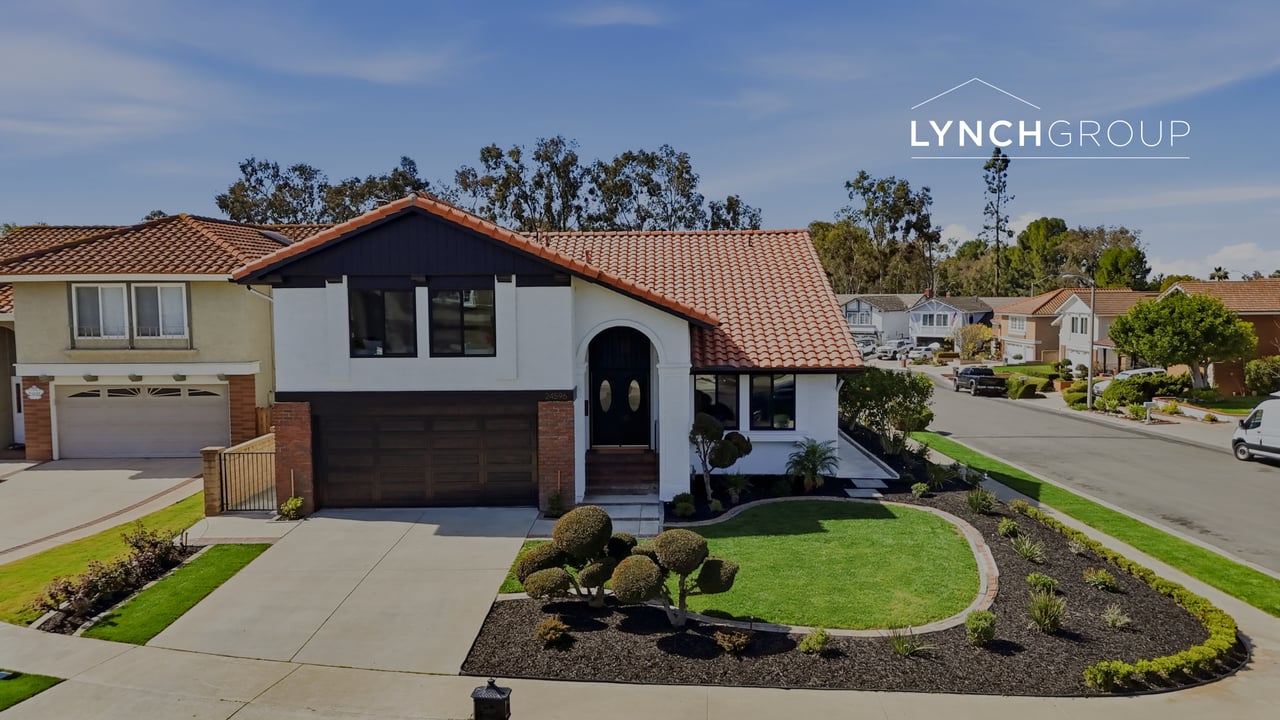
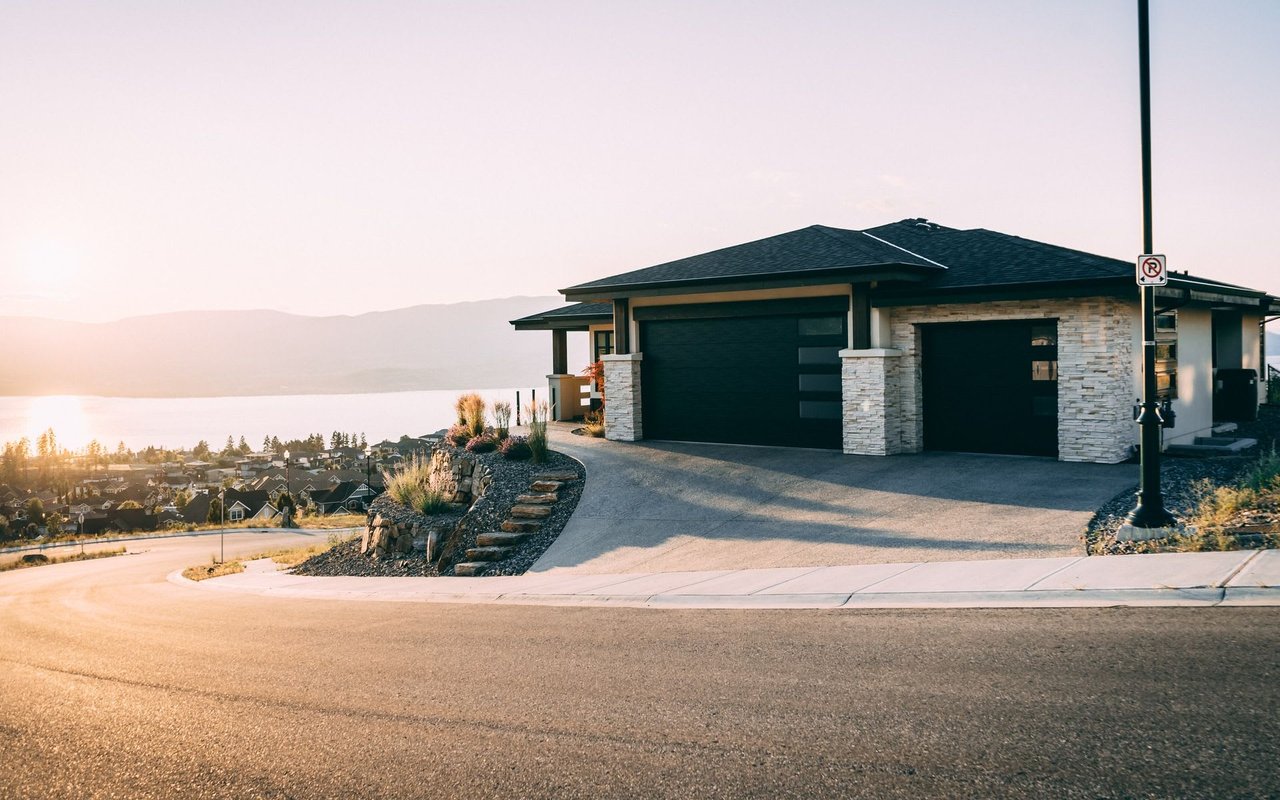
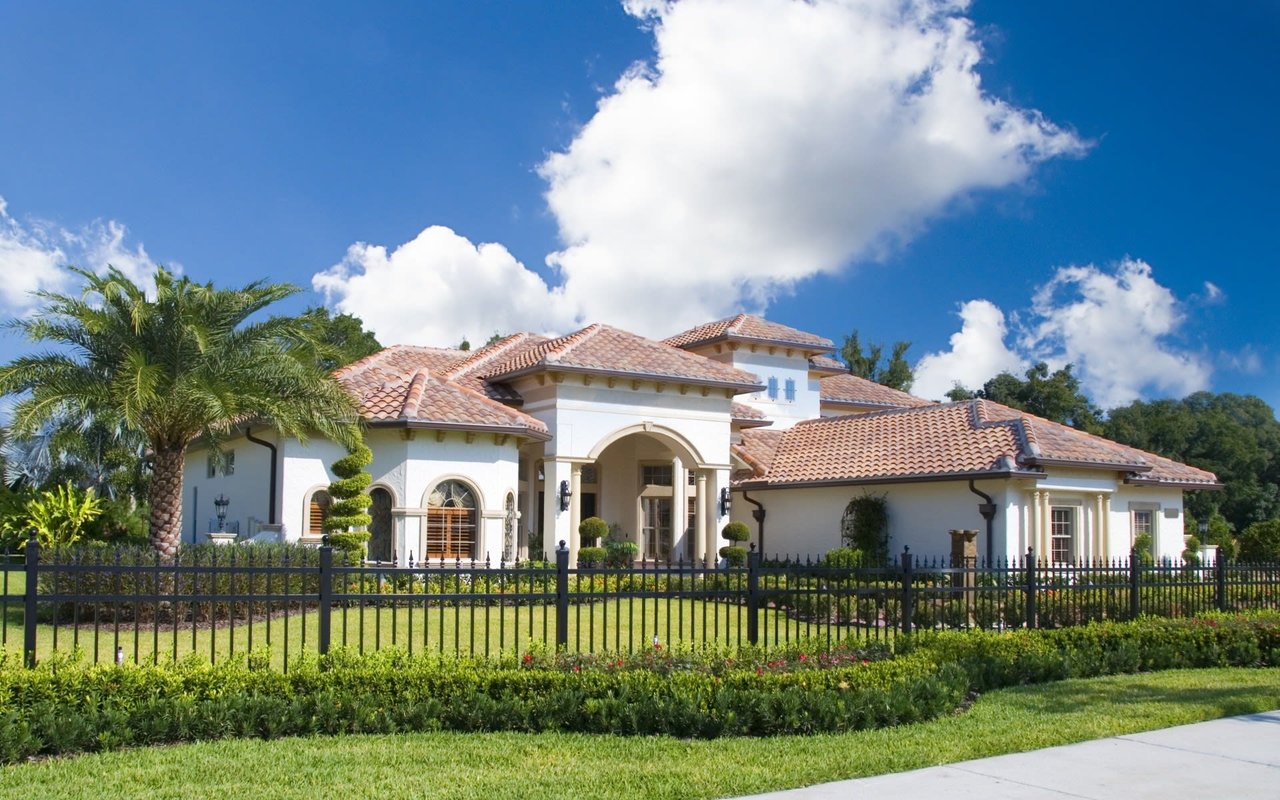
Buyers begin forming opinions before they ever walk through the front door, and that first impression matters far more than many homeowners realize. Neglected landscaping, faded paint, dying grass, cracked driveways, cluttered entryways, or outdated exteriors can immediately reduce excitement and negatively shape buyer perception. Once enthusiasm drops early, it becomes much harder to rebuild that emotional connection during the rest of the showing. Strong curb appeal creates anticipation, signals pride of ownership, and gives buyers confidence that the home has been properly cared for over time.
The good news is that curb appeal improvements often deliver one of the highest returns on investment because many updates are relatively affordable compared to major renovations. Fresh mulch, trimmed landscaping, pressure washing, updated exterior lighting, painted front doors, and clean pathways can completely transform how a property feels from the moment buyers arrive. In many cases, these small visual improvements create surprisingly strong emotional reactions that positively influence how buyers perceive the entire home.
Bad Odors Quietly Kill Buyer Interest
This is one of the most overlooked issues in real estate: smell matters. Pet odors, smoke, mildew, cooking smells, mold, and even heavy fragrances can instantly create negative buyer reactions. Even when buyers cannot immediately identify the source, odors often create discomfort and suspicion. People emotionally connect to homes through sensory experiences, and a property that smells fresh, clean, and airy naturally feels healthier and more welcoming. On the other hand, a home with strong odors can create subconscious resistance that impacts how buyers perceive the entire property.
Unfortunately, many homeowners become nose-blind to smells over time, which is why outside opinions before listing can be incredibly valuable. Simple improvements such as deep cleaning, flooring replacement, ventilation upgrades, HVAC servicing, and professional odor remediation can make a substantial difference in buyer perception. In many cases, addressing odor issues before hitting the market can help a home feel more inviting, better maintained, and ultimately more valuable to potential buyers.
Cheap Renovations Can Backfire
Not all upgrades add value.
In fact, poorly executed renovations can actually hurt value.
Buyers notice shortcuts.
Uneven flooring, poorly installed tile, low-quality materials, sloppy paint work, and DIY remodels often create more concern than confidence.
Cheap renovations can make buyers question whether work was done properly behind the scenes.
Quality matters more than quantity.
A smaller number of well-executed updates is usually more valuable than large-scale cosmetic changes done inexpensively.
Today’s buyers increasingly prioritize craftsmanship, durability, and authenticity over flashy finishes.
This is especially true in luxury and higher-end markets where expectations are elevated.
Clutter and Over personalization Make It Harder for Buyers to Connect
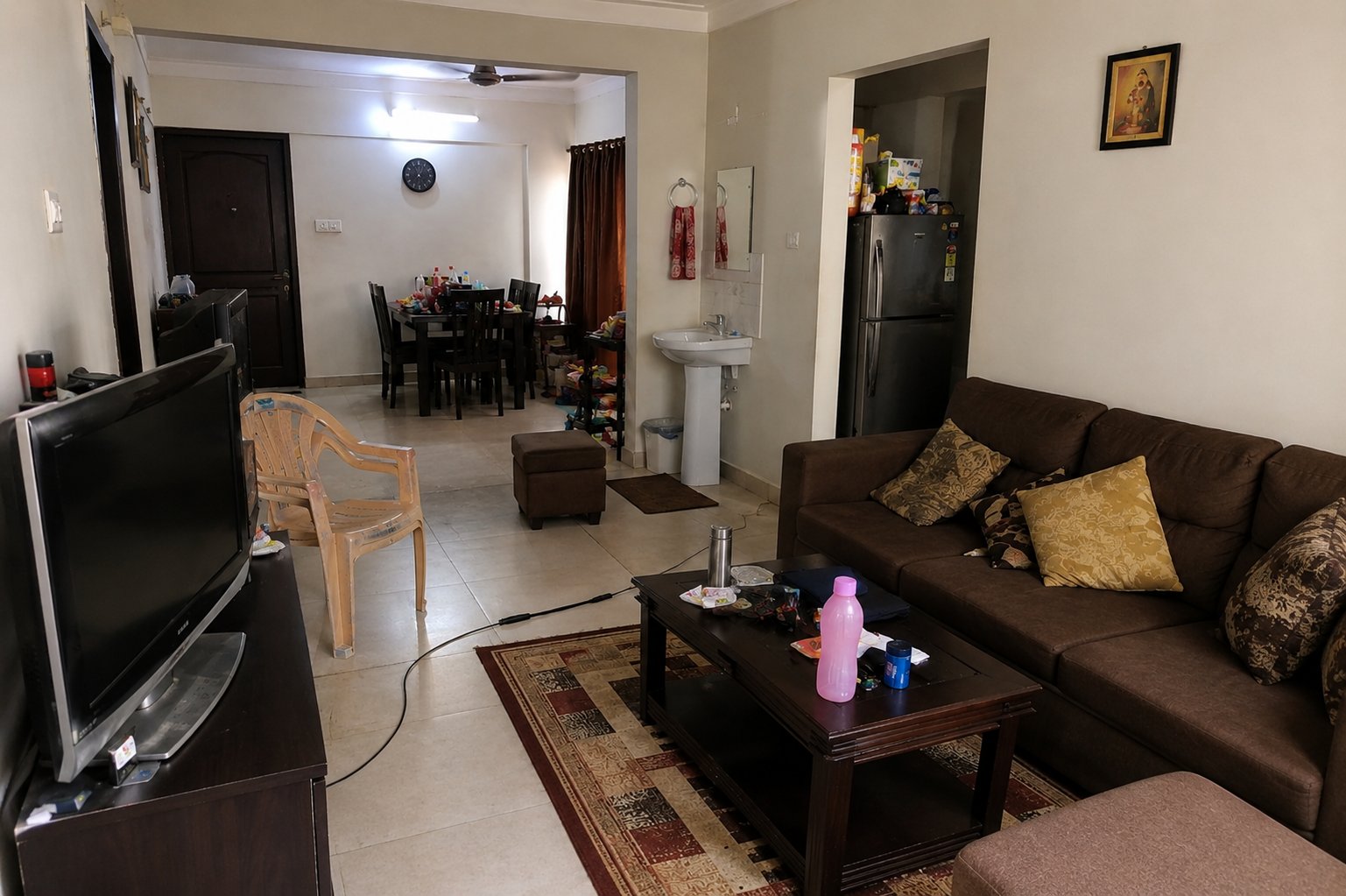
Homes filled with excessive furniture, personal collections, clutter, or highly customized décor can feel smaller and emotionally distracting.
Buyers need space to imagine their own lives inside the home.
That becomes difficult when every room reflects someone else’s personality too strongly.
Over personalization can include:
- Bold paint colors
- Highly themed rooms
- Excessive family photos
- Large collections
- Overcrowded furniture
- Custom niche features
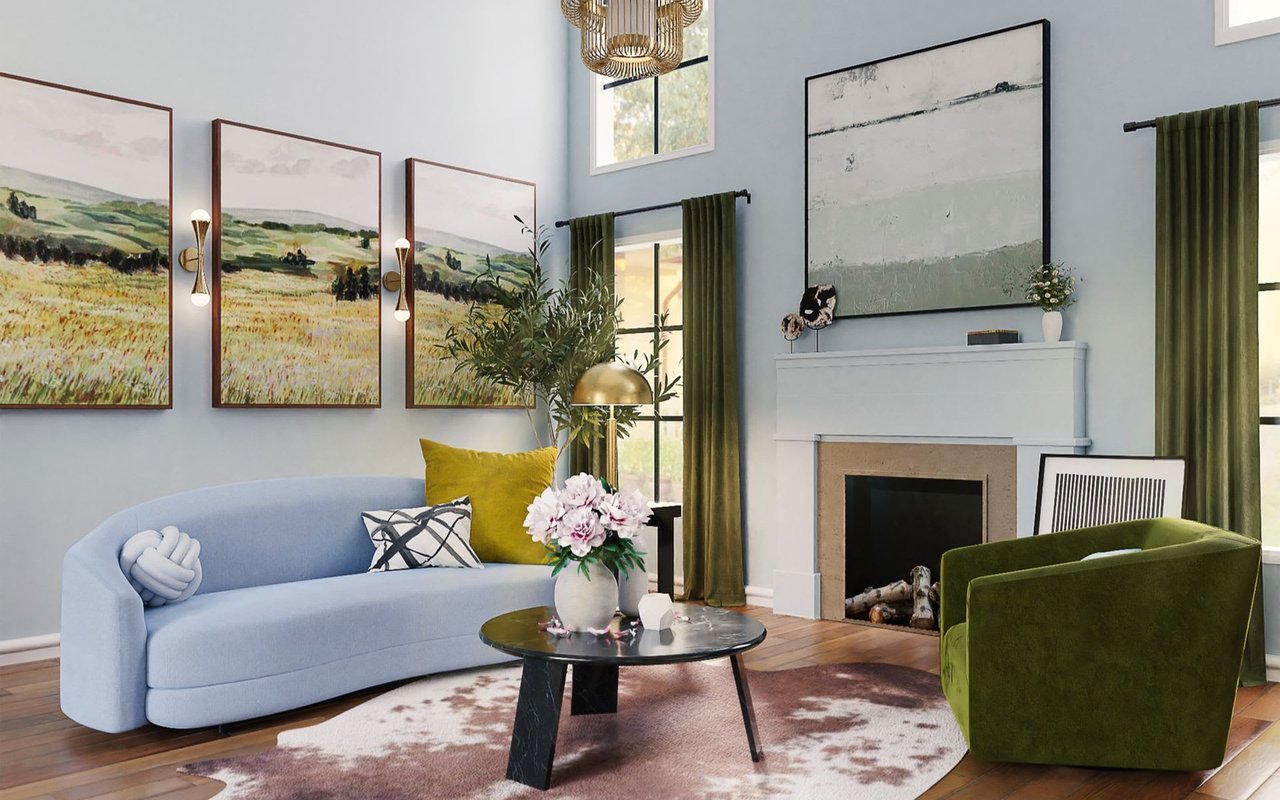
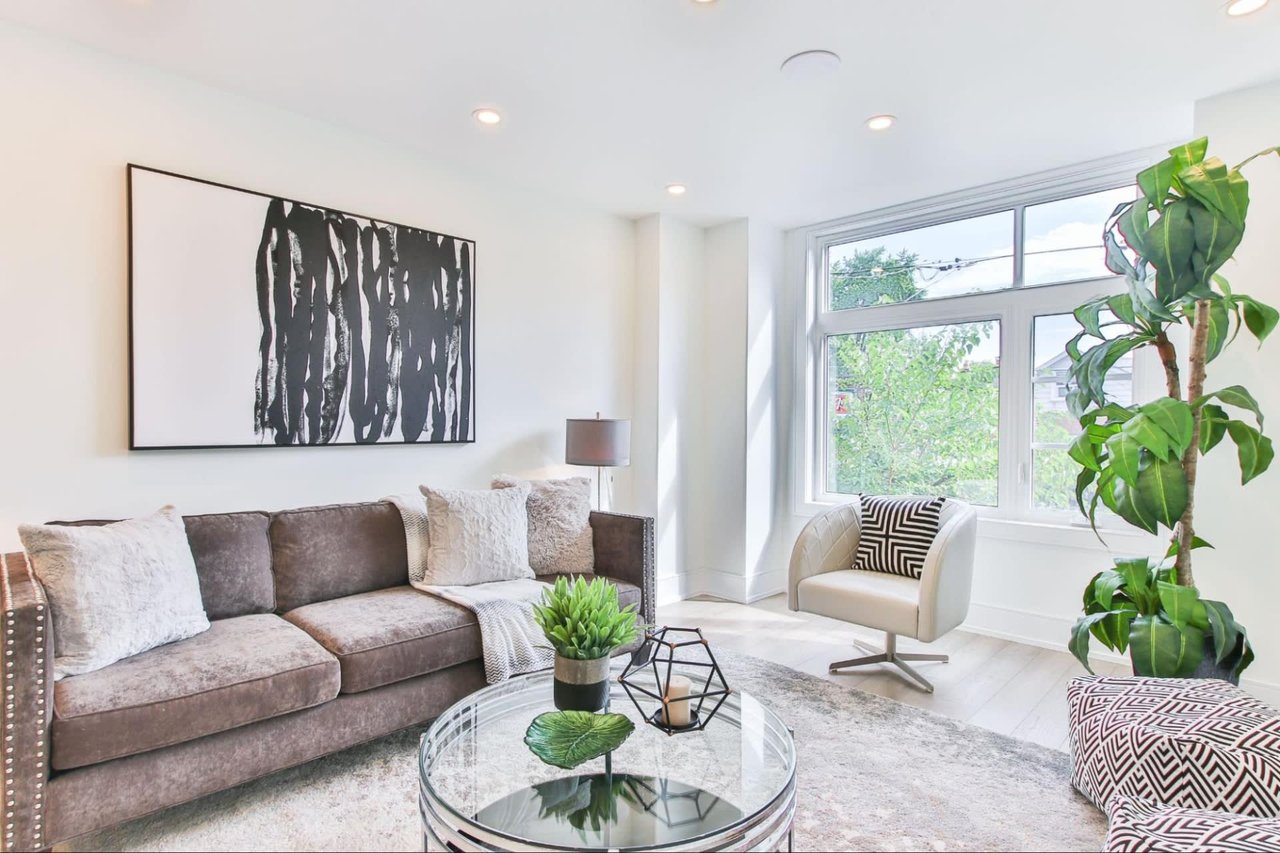
Professional staging has become so important because it creates emotional neutrality while still making a home feel warm and aspirational.
The goal is not removing personality completely.
The goal is creating broad emotional appeal.
Location Still Matters More Than Almost Anything
There are many things homeowners can improve.
Location is not one of them.
Factors like school districts, traffic patterns, noise, wildfire risk, insurance costs, neighborhood upkeep, and proximity to amenities all influence value significantly.
Even beautiful homes can struggle if surrounding conditions negatively impact buyer perception.
In California especially, insurance availability and environmental concerns are becoming increasingly important in home valuations.
Buyers are paying closer attention to:
- Fire zones
- Flood risks
- HOA conditions
- Future development nearby
- Noise pollution
- Commute convenience
- Walkability
- Community feel
Location has always mattered in real estate, but lifestyle compatibility matters even more now.
People are not just buying homes.
They are buying daily experiences.
Ignoring the Emotional Side of Selling Can Lead to Costly Decisions
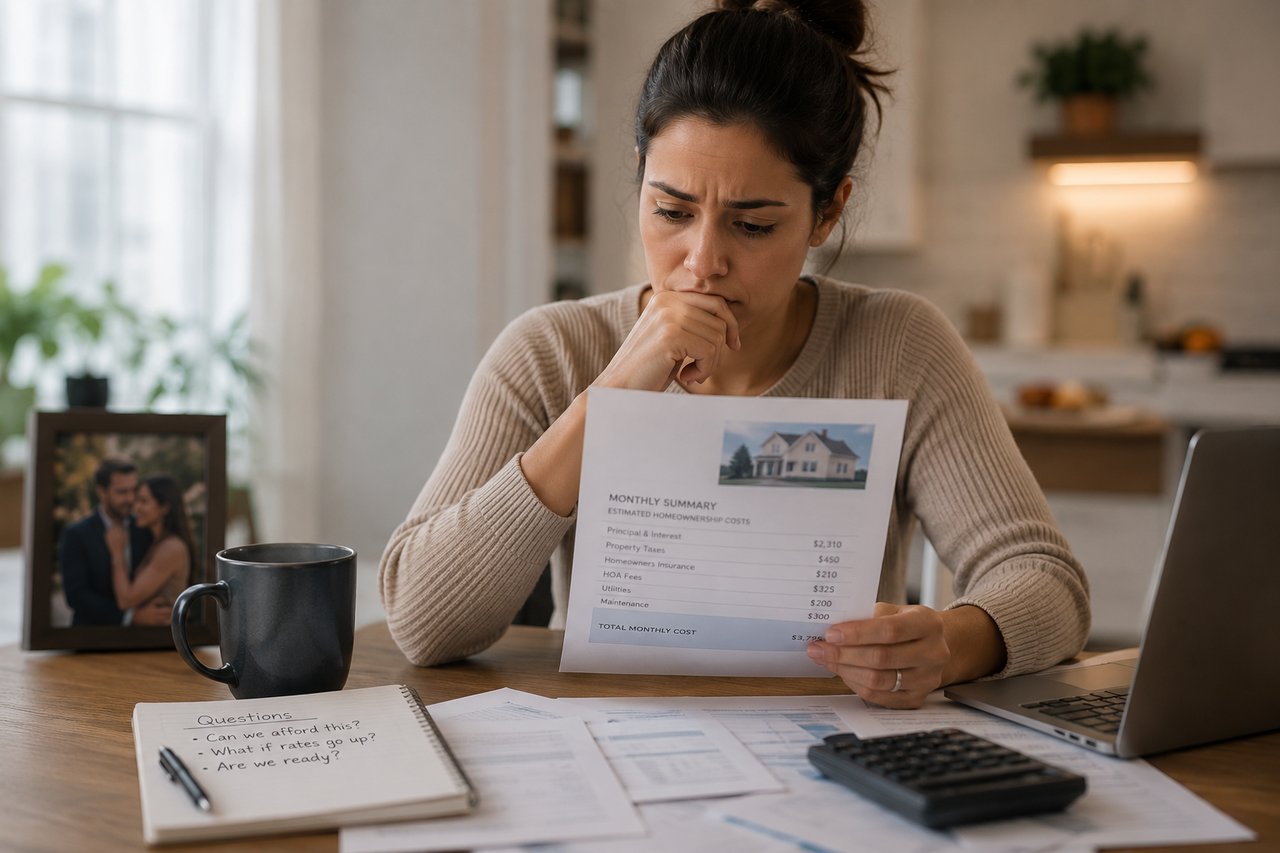
One of the least discussed factors affecting home value is emotional decision-making. Many homeowners unintentionally hurt their outcomes because they become emotionally attached to pricing, timing, or negotiation strategies. This is completely understandable because homes hold memories, milestones, and years of personal investment. However, emotional pricing often leads to unrealistic expectations, resistance to market feedback, delayed decisions, or hesitation when strategic adjustments are needed. The most successful sellers are able to approach the process with both emotion and strategy. They understand that buyer perception ultimately drives value, remain flexible throughout the process, prepare early, and work with professionals who can guide them objectively toward the strongest possible outcome.
Technology and Presentation Matter More Than Ever
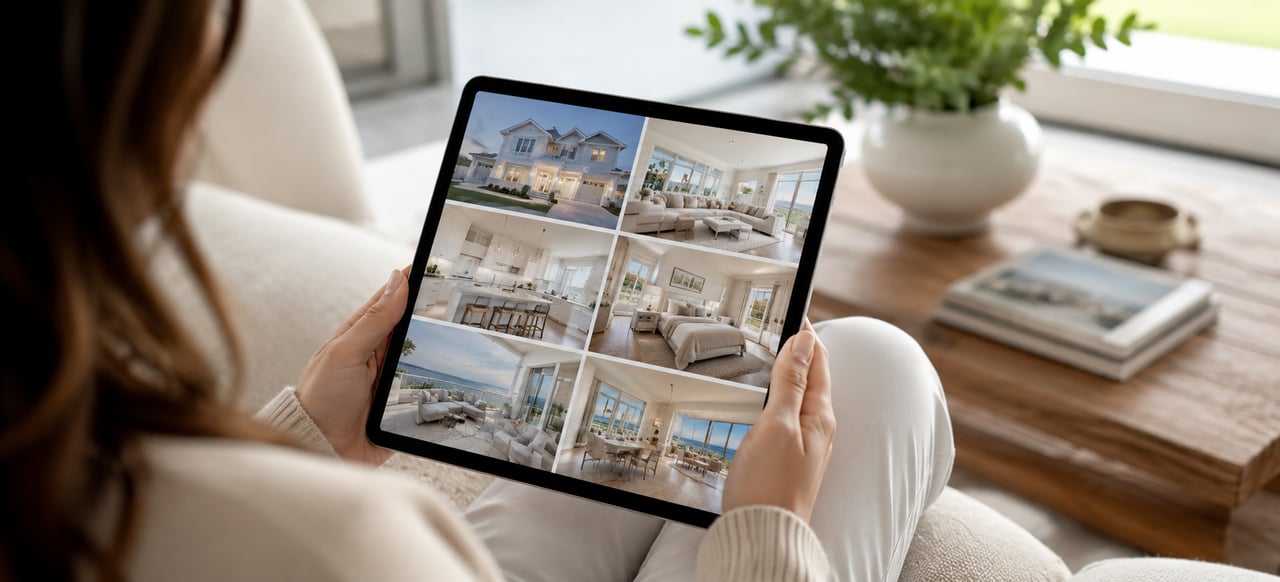
Today’s buyers often decide whether they like a home before they ever step inside it. That means photography, video, staging, digital marketing, and online presentation all directly influence perceived value. Poor listing photos can make even beautiful homes look unappealing.
Dark images, distorted angles, cluttered rooms, or incomplete marketing reduce engagement dramatically.
Meanwhile, professionally marketed homes often create stronger emotional reactions online, generate more showings, and ultimately attract stronger offers. Presentation is no longer optional. It is part of value creation itself.
Protecting Home Value Requires Ongoing Strategy
The homeowners who protect value best are usually not the ones making dramatic last-minute changes before selling. They are the ones who consistently maintain, improve, and strategically care for their property over time. They pay attention to maintenance before problems escalate. They modernize thoughtfully. They stay aware of buyer expectations. And they understand that perception matters just as much as square footage.
The good news is most value-related problems are preventable. Small strategic improvements made consistently over time often create significant financial advantages later. A home does not need to be perfect. But it should inspire confidence. Because ultimately, buyers are not just evaluating a property. They are evaluating how that property makes them feel. And that emotional connection can influence value more than most homeowners realize.