
What 2026 Means for Homebuyers & Sellers: A Balanced Market, Smart Moves & Strategic Renovations
A New Chapter for Real Estate
As we approach 2026, the U.S. real-estate market is entering a transitional phase. The frenzied price surges that defined the pandemic years are giving way to moderation — a shift that carries both risks and opportunities for buyers, sellers, and agents. Instead of wild swings, we’re likely to see a more measured market, rising renovation activity, and greater emphasis on timing, strategy, and long-term value. In this post, we’ll unpack the major trends expected in 2026 and what they mean for key players.
What’s Driving the 2026 Outlook: Forecasts & Market Trends
Slower Price Appreciation, Moderated Growth
-
According to the latest Fannie Mae Home Price Expectations Survey (HPES), the national home-price growth is expected to moderate. Their expert panel projects more restrained increases in 2025 and 2026 compared with prior years. Fannie Mae+2Bethpage Newsgram+2
-
Meanwhile, the National Association of Realtors (NAR) — led by Chief Economist Lawrence Yun — projects a 2026 uptick in home-price growth and sales volume, but with a more balanced pace that reflects rising days-on-market and higher inventory levels. National Association of REALTORS®+1
-
This moderation suggests that the runaway gains of recent years are unlikely to return — instead, expect slow-and-steady growth with meaningful variation depending on region and property type.
Mortgage Rates & Increased Homebuying Opportunity
-
One reason for cautious optimism: both Fannie Mae and the Mortgage Bankers Association (MBA) forecast a gradual easing of long-term mortgage rates, with Fannie Mae expecting the average 30-year fixed rate to fall toward ~5.9% by Q4 2026. Resi Club Analytics+1
-
Lower borrowing costs — even if modest — could revive interest from buyers who have been sidelined by high rates over the past few years. NAR expects existing home sales to climb in 2026. Realtor+1
-
For many buyers, this could mean a more favorable window: relatively stable prices, better supply, and improving affordability.
Inventory Expansion & More Balanced Market Dynamics
-
With price growth moderating and sellers adjusting expectations, we may see more inventory come on the market — especially as some homeowners feel less pressure to sell at peak prices. Analysts have flagged increased listings and a shift toward more buyer-friendly conditions. AOL+2National Association of REALTORS®+2
-
As a result, the bargaining power may tilt a bit toward buyers — but success will depend heavily on local conditions (metro area, job growth, supply/demand balance).
The Rise of Renovation & Home Improvement — A Key Alternative to Moving
-
A major theme for 2026 is likely to be a surge in home renovation and improvement activity. As moving becomes less appealing (because of slowed price gains and rate uncertainty), many homeowners are expected to “age in place” and invest instead. Realtor+2The MortgagePoint -+2
-
According to data from the Joint Center for Housing Studies at Harvard University, remodeling and maintenance spending for owner-occupied homes is projected to reach a record level (over $500 billion nationwide) by early 2026. The MortgagePoint -+1
-
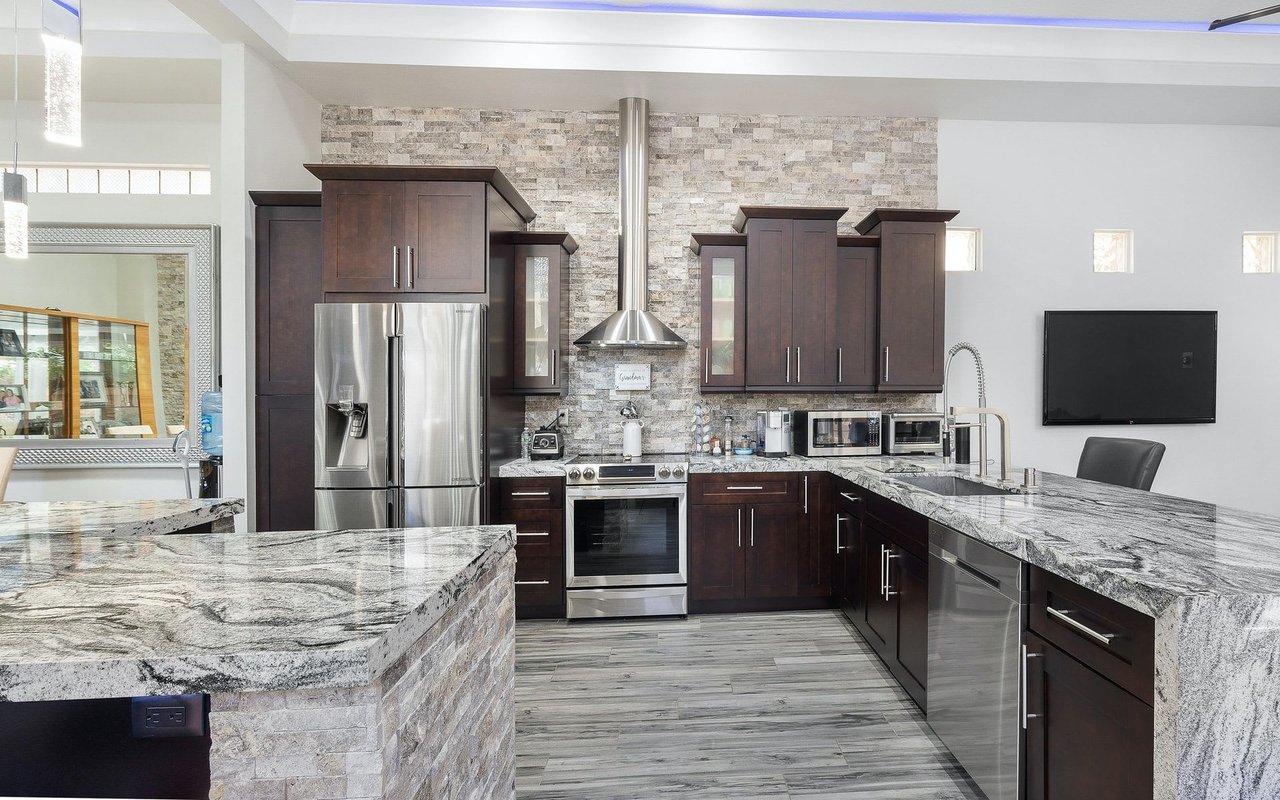
The types of updates likely to drive demand? Practical renovations (e.g., worn-out surfaces, HVAC/electrical repairs), energy-efficiency & sustainability upgrades, and lifestyle enhancements (kitchens, baths, outdoor living, smart-home features). PGM Solutions+2Brett King Builder-Contractor Inc.+2
What This Means for Buyers, Sellers & Agents — Strategy Roundup
For Homebuyers: Opportunity — but Be Picky
-
More favorable timing. With price growth slowing and rates potentially dipping moderately, 2026 could offer good entry points — especially compared with the overheated pandemic-era market.
-
Leverage increased supply. As sellers adjust expectations and more homes hit the market, buyers have more to choose from. This may translate into better negotiation leverage or more favorable terms (e.g., seller concessions, repair allowances, buying before price rebound).
-
Think long term. For many buyers, especially first-timers or those in high-cost markets, buying now — locking in a home before rates “normalize,” and factoring in long-term home equity — could pay off. But local market conditions and neighborhood-level data will matter more than national headlines.
For Sellers: Flexibility, Realism & Smart Timing
-
Be ready to adjust price expectations. With growing days on market and rising inventories, sellers likely need to price more competitively. Overpricing could lead to delisted listings or long market exposure. National Association of REALTORS®+1
-
Don’t wait too long — but don’t rush either. If mortgage rates drop as expected, buyer demand could return later in 2026. For sellers, listing strategically — perhaps in early-to-mid 2026 — could maximize visibility when demand picks up.
-
Position for “value.” Even if homes don’t fetch pandemic-era premiums, those with good condition, upgrades, or recent renovations will stand out. Value-add — especially functional, energy-efficient upgrades — may appeal more than cosmetic flair.
For Agents & Investors (and Your Real Estate Coaching Clients)
-
Adapt messaging and consultative approach. In markets with slow growth, sellers need honest guidance — stressing real data over hype. For buyers, highlight long-term value, affordability, and neighborhood-level potential.
-
Capitalize on the renovation wave. Given the expected surge in home improvement, consider building referral relationships with reputable contractors, renovation consultants, staging experts, and financing professionals (e.g., HELOC or renovation loans).
-
Focus on value-add and “stay-in-place” clients. As more homeowners choose to renovate rather than move, there’s a growing niche for agents who advise on renovation-invested properties, hold value over time, or help clients evaluate ROI on upgrades.
-
Emphasize local market granularity. As national price growth cools, micro-market dynamics (neighborhood demand, school districts, local job growth, inventory, walkability) will matter more. Agents who drill down can differentiate themselves.
Potential Risks & What Could Derail the Forecast
No forecast is a guarantee — and in 2026 a few headwinds could shift outcomes harder than expected:
-
If mortgage rates don’t fall (or even tick upward), affordability could remain out of reach for many buyers. Some forecasts predict only modest decline by year’s end. Resi Club Analytics+1
-
Regional divergence could be stark: coastal and high-cost metros might see flat or declining values, while more affordable, supply-constrained areas could appreciate — requiring nuanced, local-level insight.
-
Economic shocks — inflation, recession, employment volatility — could undermine buyer demand or derail consumer confidence, reducing both sales and renovation spend.
-
For sellers: overestimating buyer demand or overpricing homes could lead to long listing times or forced price reductions — which reduces net proceeds and impacts client trust.
My Take: For 2026, Strategy > Assumption
If 2022–2023 was the Wild West of real estate (rapid appreciation, bidding wars, scarcity-driven frenzy), 2026 looks to be the Age of Strategy. Success in the coming year — whether you’re buying, selling, investing, or coaching others — will depend less on luck and more on timing, data, diligence, and value.
For agents, this moment favors those who can provide nuanced, hyper-local insight, transparent guidance, and creative value-add approaches (like renovation-based marketing, staging, or long-term ROI advising). For buyers and sellers, the opportunity is real — but only if they approach it with eyes wide open.
2026 isn’t shaping up to be a blockbuster year for runaway home-price growth. Instead, it appears headed toward a more balanced, stable, and strategic market — one in which thoughtful buyers and sellers can get smart deals, and agents can add real value through data-driven advice and renovation-savvy positioning.
As always, the national picture tells only part of the story. The real action will be in the neighborhoods, in the micromarkets, and in the strategies you help clients execute — not the headlines.