
Selling With Pets: How to Prep Without Stressing Your Animals
Selling a home when you have pets is completely doable, but it requires a different kind of prep. The goal is not “hide the pet.” The goal is to create a clean, calm, buyer-friendly experience while keeping your dog or cat safe, comfortable, and emotionally steady.
Buyers are sensitive to two things during showings: smell and visual clutter. Pets can unintentionally create both. At the same time, your animals can pick up on your stress, the disruption of strangers walking through, and changes to routine. If you try to push through without a plan, everyone loses.
This guide will give you a practical, step-by-step system for selling a house with pets: what to do before photos, how to handle showings, how to reduce odor and shedding without harsh chemicals, and how to protect your pet’s routine so they do not spiral.
Why pets can impact showings (and how to solve it)
Most buyers are fine with pets. The issue is not the animal. The issue is perception.
Buyers make quick assumptions:
-
If they smell pet odor, they assume hidden problems (carpet, subfloor, vents).
-
If they see pet hair everywhere, they assume the home is harder to maintain.
-
If there are litter boxes in visible areas, they feel the home is less “fresh.”
-
If a dog barks or a cat bolts, the showing becomes tense and rushed.
The fix is simple: reduce friction. The more effortless the showing feels, the more comfortable buyers become. Comfort leads to stronger offers.
Before you list: set up your “pet-safe selling system”
1) Choose your pet plan first (not last)
You need a consistent plan for showings before the sign goes up. Pick one:
Option A: Off-site during showings
Best for: anxious dogs, protective breeds, multiple pets, or pets that do not like strangers.
How: daycare, a friend, a trusted neighbor, or a scheduled outing.
Option B: Crated or secured in one zone
Best for: calm pets who crate well.
How: one designated room, crate, baby gates, signage for agents.
Option C: Pet removed only for open houses
Best for: very calm animals and sellers with flexible schedules.
How: plan longer outings on open house days.
If you decide during the first showing, it will feel chaotic. Choose now.
2) Build a showing kit (it will save you daily)
Keep these in one basket you can grab quickly:
-
lint roller (extra sticky)
-
microfiber cloths
-
pet-safe enzymatic cleaner (for accidents)
-
odor-neutralizing spray (unscented is best)
-
vacuum with a pet hair attachment
-
small storage bin for bowls, toys, leashes
-
fresh neutral throw blanket for pet beds (easy swap)
-
disposable gloves and waste bags
-
a “litter box transport plan” (more on this below)
You are making it easy to “reset” the home in minutes.
3) Create a safe routine for your pet
Your pet does not understand the listing timeline. They understand routine.
Do these three things:
-
Keep feeding times consistent
-
Increase exercise before showings
-
Maintain a predictable “quiet zone” (crate room or safe area)
A tired dog is a calmer dog. A cat with a stable hiding spot is less likely to panic.
High-ROI pet prep: what matters most to buyers
Odor control (do this first)
Odor is the deal-breaker, and it is often invisible to the homeowner because you acclimate.
What works:
-
Deep clean carpets and rugs (especially high-traffic routes)
-
Clean upholstery and pet beds
-
Wash baseboards near litter areas and food bowls
-
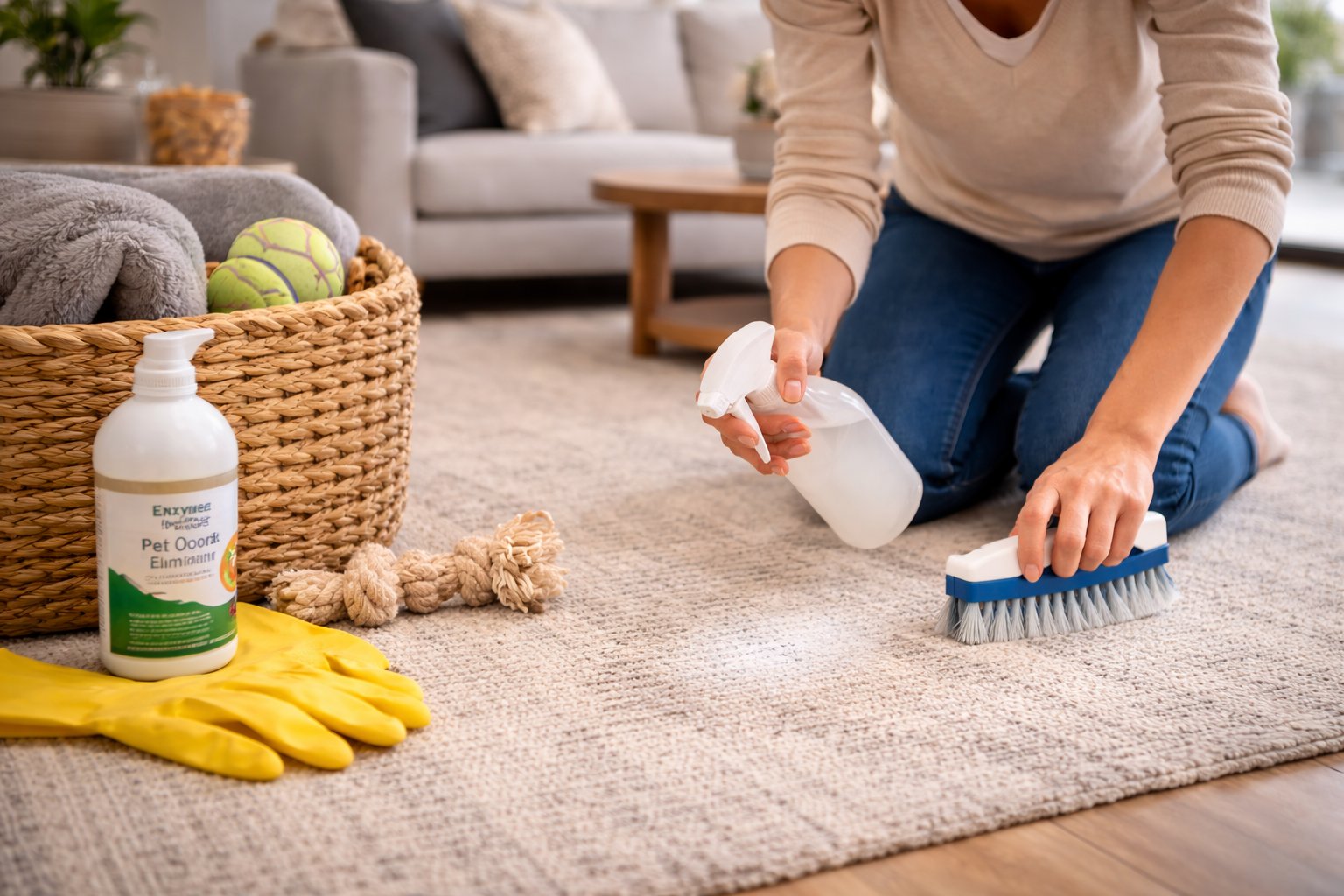
Use an enzymatic cleaner on any accident zones (do not mask, neutralize)
-
Replace HVAC filters before listing
-
Air out the home daily for fresh circulation
What to avoid:
-
Heavy candles and strong plug-ins right before showings
Buyers interpret strong fragrance as cover-up. Clean smells like clean, not like perfume.
Fur and dander control (fastest visual upgrade)
Pet hair is not only aesthetic. It signals “work.”
Quick wins:
-
Vacuum daily (especially stairs and sofa edges)
-
Use washable slipcovers on couches
-
Keep one neutral throw for “photo day” and “showing day”
-
Brush pets outside daily, not inside
Pet zones: make them disappear during showings
Buyers should not see pet infrastructure front and center.
During showings, quickly store:
-
food bowls
-
litter mats
-
toys and chew bones
-
crates (if possible) or cover them cleanly
-
puppy pads
-
pet medicine (also a safety issue)
If you cannot store the crate, place it neatly in a garage corner or laundry room and keep it staged cleanly.
Photos and video: how to prep without stressing your pet
Photography days tend to be long and full of door openings. That is stressful for animals and risky for escapes.
Best practice for photo day
-
Move pets off-site for the entire shoot if possible
-
If not, secure pets in a closed room with a fan and water
-
Remove litter boxes from visible spaces (even if temporarily)
-
Hide bowls and toys
-
Open windows for 30 minutes before the shoot
-
Do one last “fur sweep” on sofas and rugs
Important safety detail: Tell the photographer and agent there is a pet, even if the pet is secured. No surprises.
Showings: the least stressful way to handle them
The “showing rhythm” that keeps pets calm
If you have frequent showings, do not improvise. Use a repeating rhythm:
-
Exercise your dog or play with your cat
-
Reset the home (fur, odor, clutter)
-
Remove or secure the pet
-
Leave a simple note for the showing agent (more below)
-
Return and reward your pet (reinforce calm)
Pets feel safer when the pattern stays consistent.
If you keep pets home during a showing
Do this only if your pet truly handles strangers well.
-
Use a crate or a gated room
-
Place water inside
-
Add soft music or white noise
-
Put a clear sign on the door: “Pet Inside. Please keep door closed.”
Never rely on “they are friendly.” Friendly pets still get spooked.
What about litter boxes during showings?
This is the most common seller pain point.
The best compromise:
-
Keep the litter box in a discreet bathroom or laundry room during the listing period
-
Scoop daily (twice daily if you can)
-
Before a showing, scoop again and lightly wipe surrounding area
-
If the box is in a visible bathroom, temporarily move it into a garage or closed laundry room for the showing window
If you cannot move it, make that bathroom look spotless and neutral, and keep the lid closed if you use a covered box.
Open houses: your pet should not be there
Open houses mean dozens of people, constant door movement, and unpredictable behavior. It is not worth the risk.
For open house days:
-
schedule daycare or a friend’s house
-
pack a familiar blanket and toy
-
leave the home 30 minutes before start time so your pet does not associate stress with people arriving
If you must keep a pet onsite, it should be fully secured in a locked room, but off-site is still best.
Pet safety checklist: prevent escapes and accidents
Use this simple checklist before every showing:
-
All exterior doors locked (except the entry used for showing)
-
Side gate latched
-
Dog door secured (temporary cover if needed)
-
Collar and ID on pet if pet is leaving with you
-
Windows closed or screened (cats are creative)
-
Food stored away (some pets stress-eat)
-
Trash cans closed (stress behaviors increase scavenging)
Do pet disclosures matter in California?
In general, you want to be thoughtful about anything that could be relevant to the condition of the property (for example, pet-related damage, odors, scratched floors, or past urine issues). Your agent can guide you on standard disclosures and what is appropriate based on your specific situation. If you are unsure, ask early so you do not scramble later.
Staging tips when you have pets
Staging with pets does not mean your home has to feel sterile. It means it should feel intentional.
Easy staging adjustments that still feel like you:
-
keep one beautiful pet bed in one spot (not three beds across the home)
-
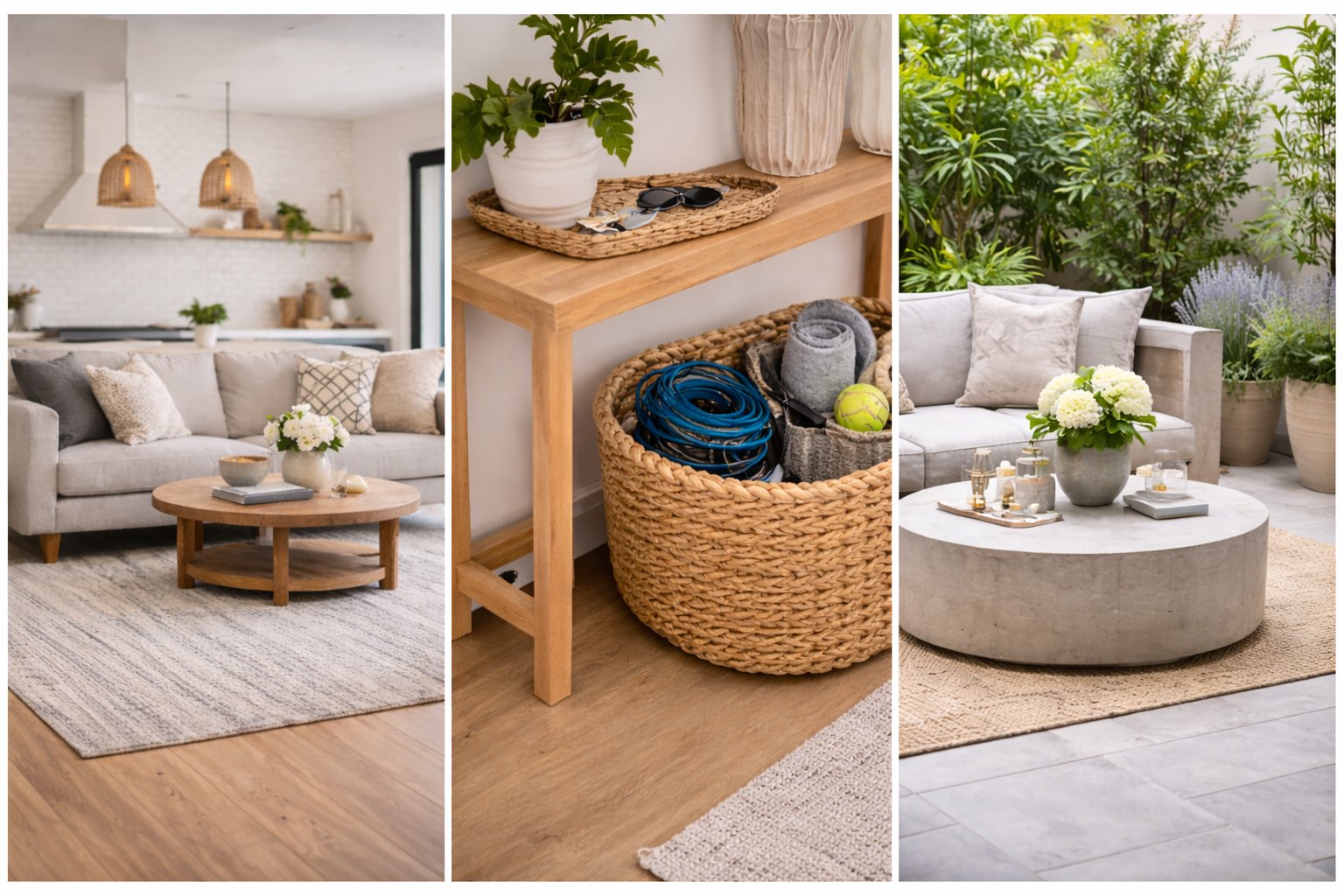
choose baskets with lids for toys (buyers love hidden storage)
-
use neutral throws that photograph cleanly
-
reduce “pet branding” (no large litter ads, training pads on display, bulky feeding stations)
Goal: your home reads “well cared for,” not “pet-centric.”
A simple showing-note you can leave for agents
Place a small printed note near the entry:
-
“Please keep all doors closed.”
-
“Pet is off-site” or “Pet is secured in the laundry room.”
-
“Thank you for removing shoes or using provided booties” (optional)
It keeps everyone calm and helps showings flow smoothly.