
Staging ROI: Where It’s Worth Spending (and Where It’s Not)
Staging isn’t about decorating. It’s about reducing buyer hesitation and helping people feel confident enough to take action. When done well, staging can shorten days on market, increase showings, and improve offer quality—especially in a market where buyers are more payment-sensitive and quick to discount anything that feels like “work.”
But here’s the part most sellers get wrong: not every dollar spent on staging has the same return. Some staging decisions create an immediate emotional response and stronger perceived value. Others look nice but don’t move the needle (and sometimes they distract from the home’s strengths).
This guide breaks down staging ROI—where it’s worth spending for the biggest impact, where to save, and how to build a smart staging plan based on your home type, price point, and buyer pool.
What “Staging ROI” Really Means
Staging ROI isn’t just “I spent X and got Y more.” It’s the combined effect of:
-
Speed: selling faster (reducing carrying costs, stress, and price-cut risk)
-
Demand: increasing showings, repeat visits, and urgency
-
Offer quality: attracting stronger terms and fewer concessions
-
Perceived value: helping buyers justify the price emotionally and logically
In other words: even if staging doesn’t add a dollar-for-dollar increase to the final price, it can still be a positive ROI if it helps you avoid price reductions, create competition, or minimize concessions.
Where Staging Is Worth Spending (Highest ROI Areas)
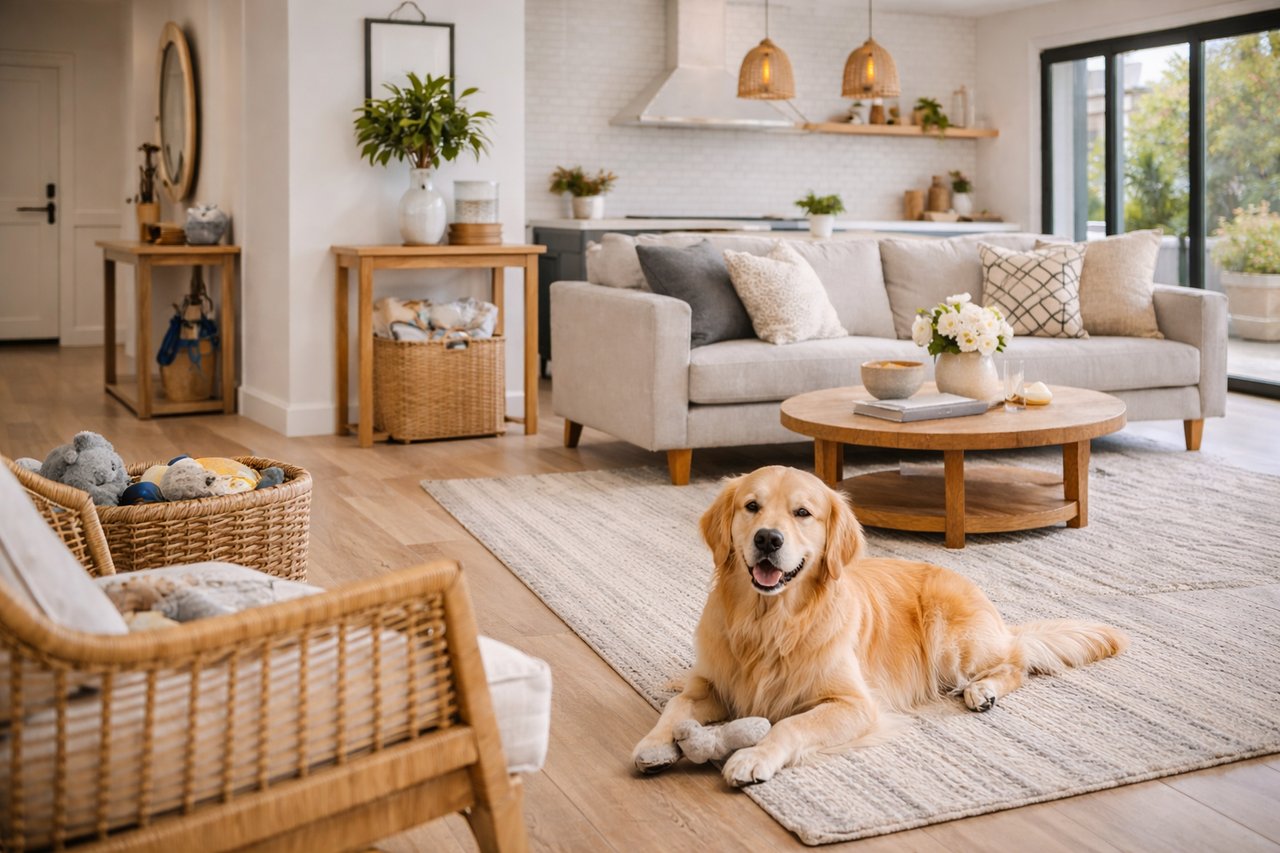
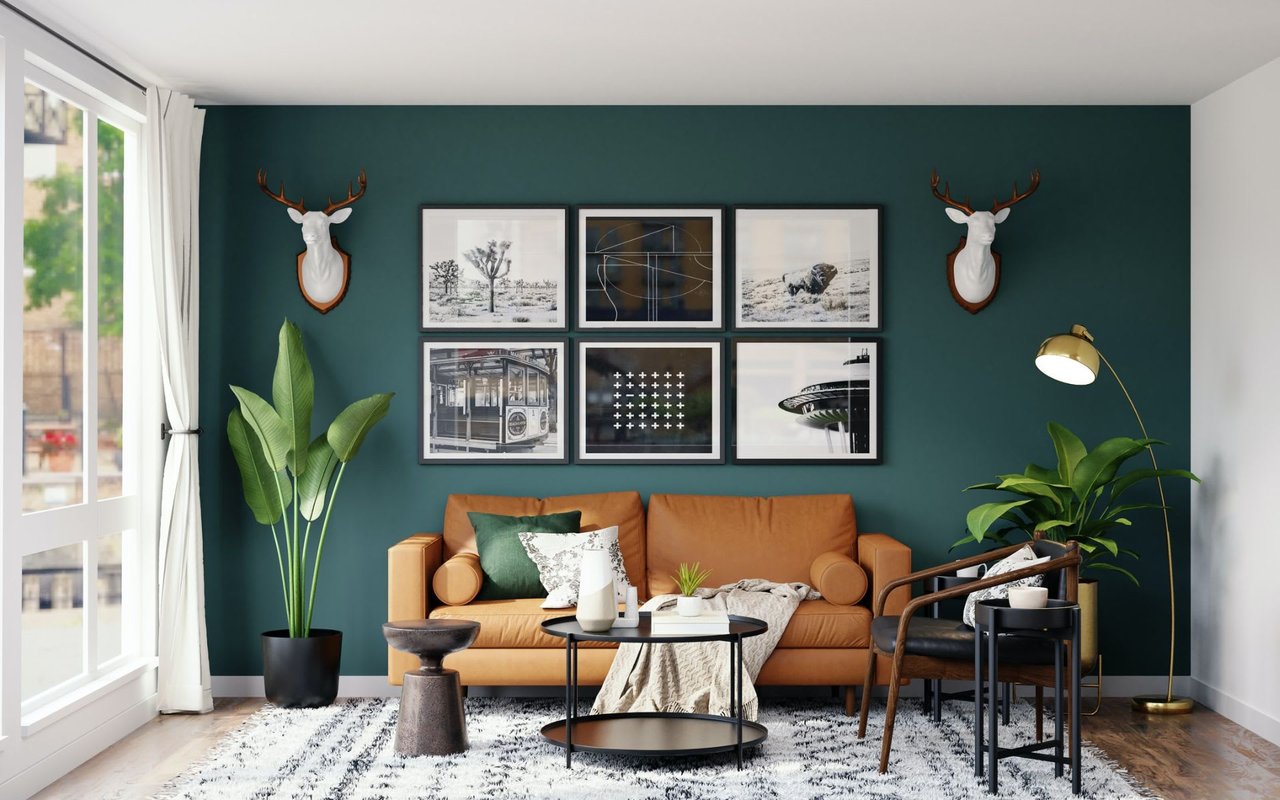
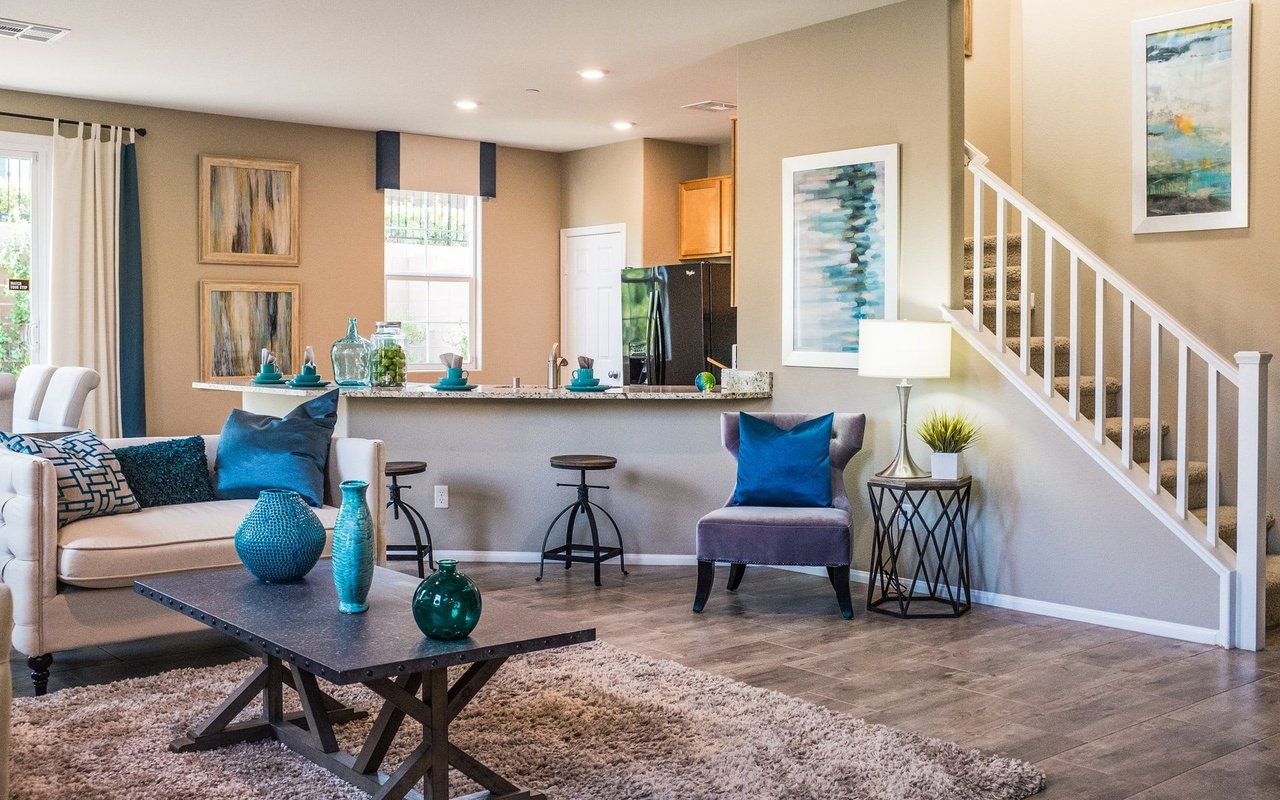
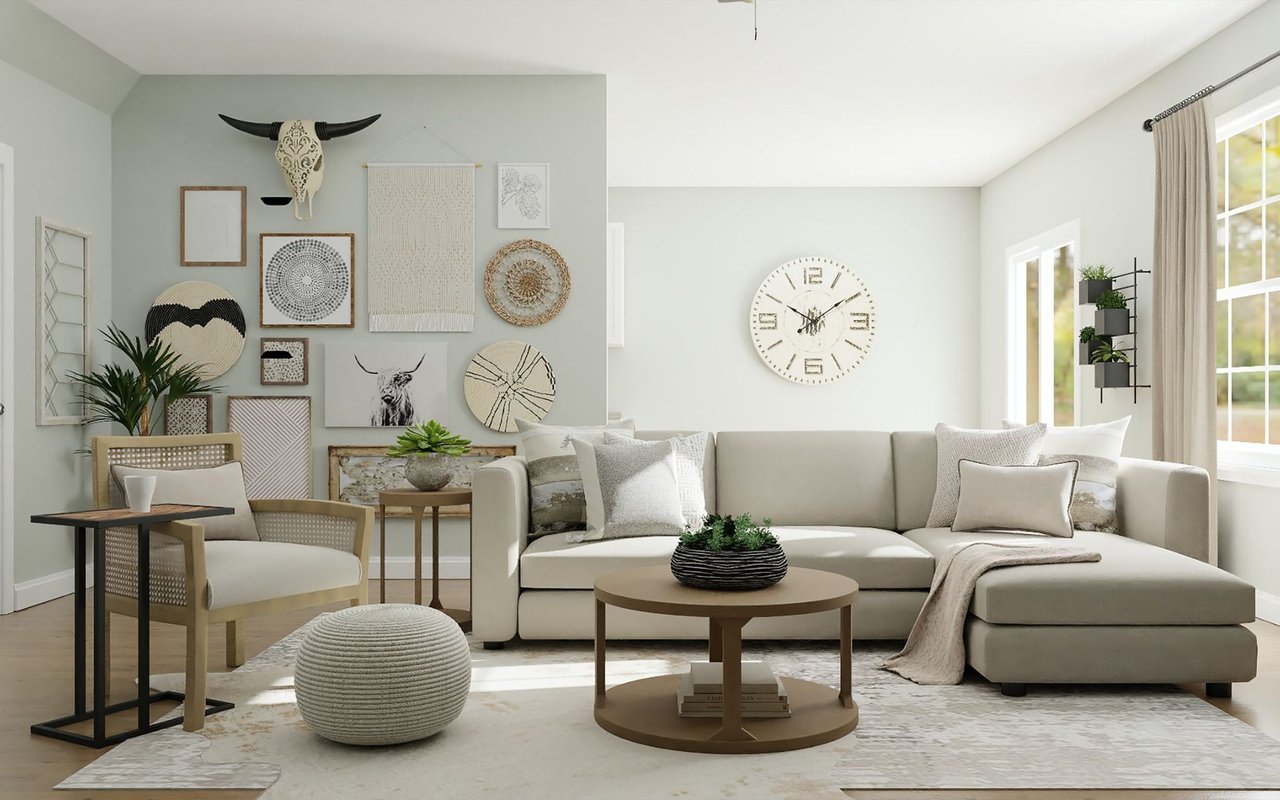
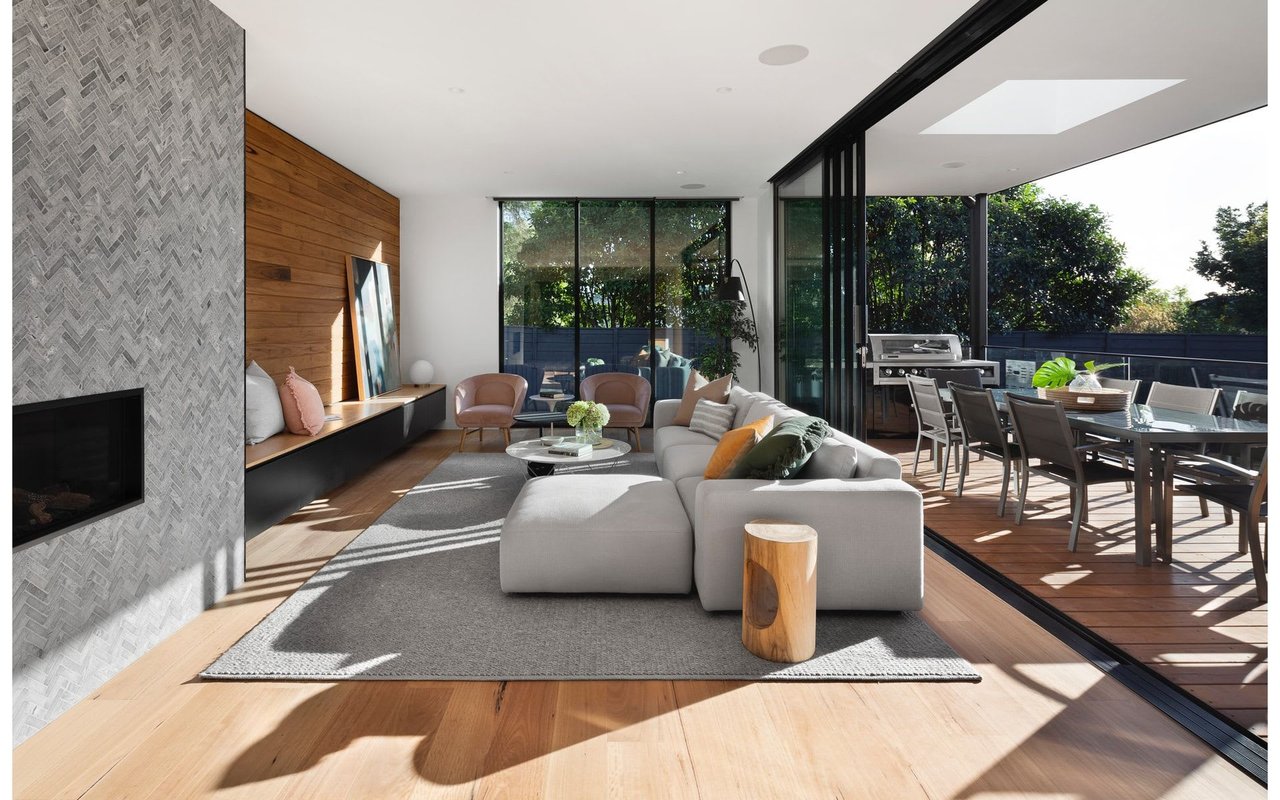
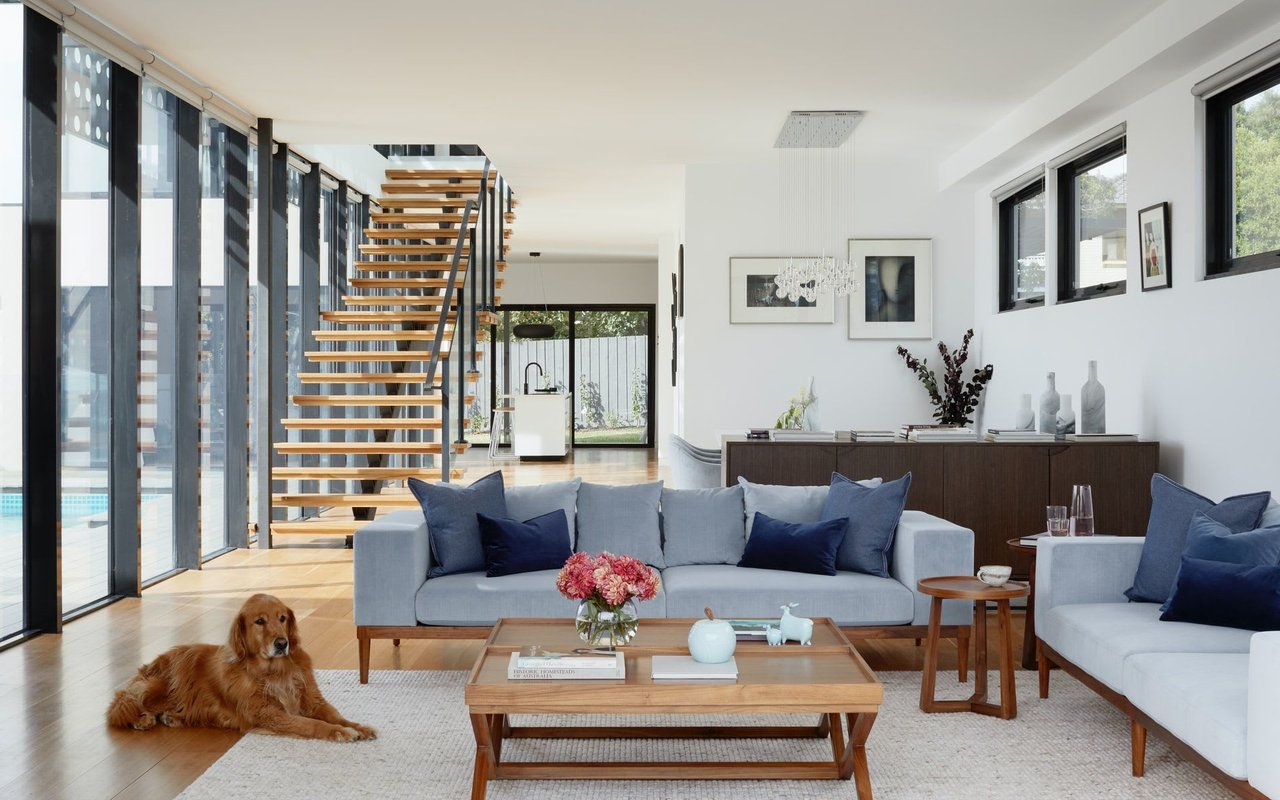
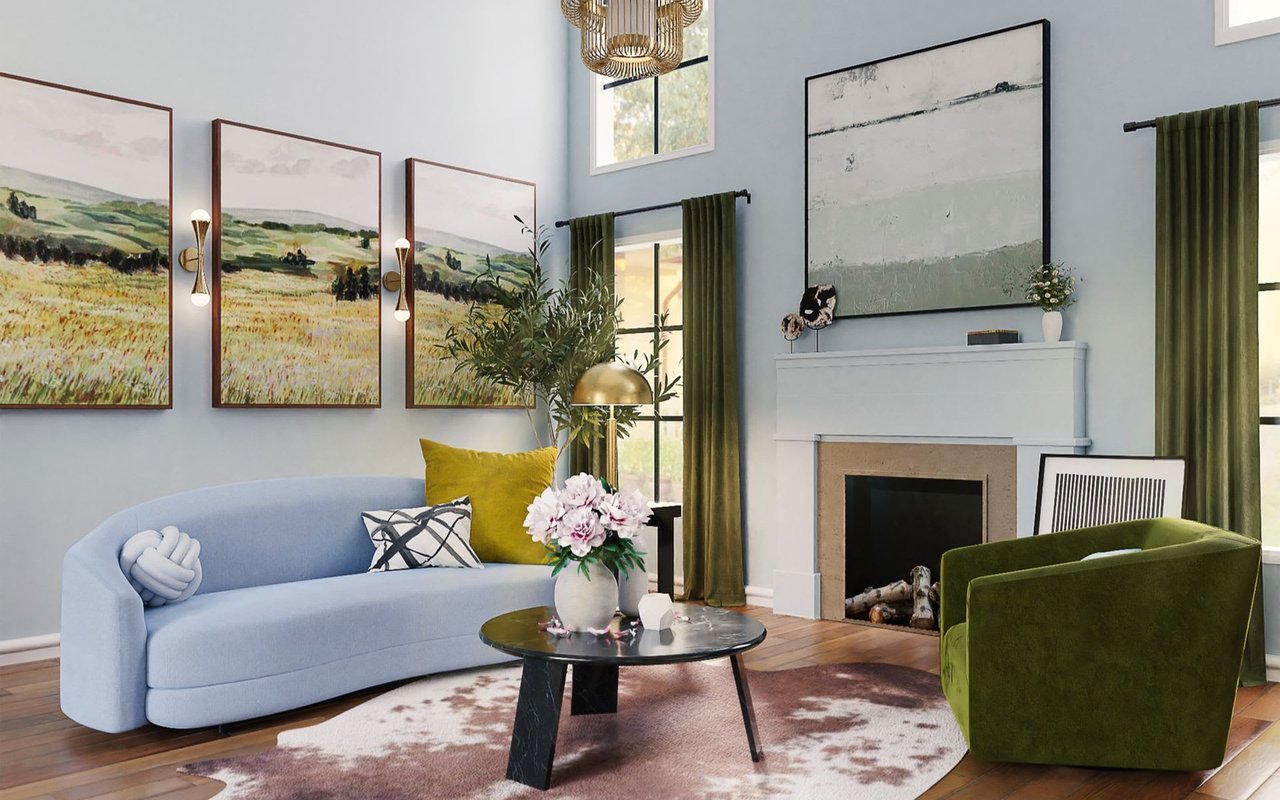
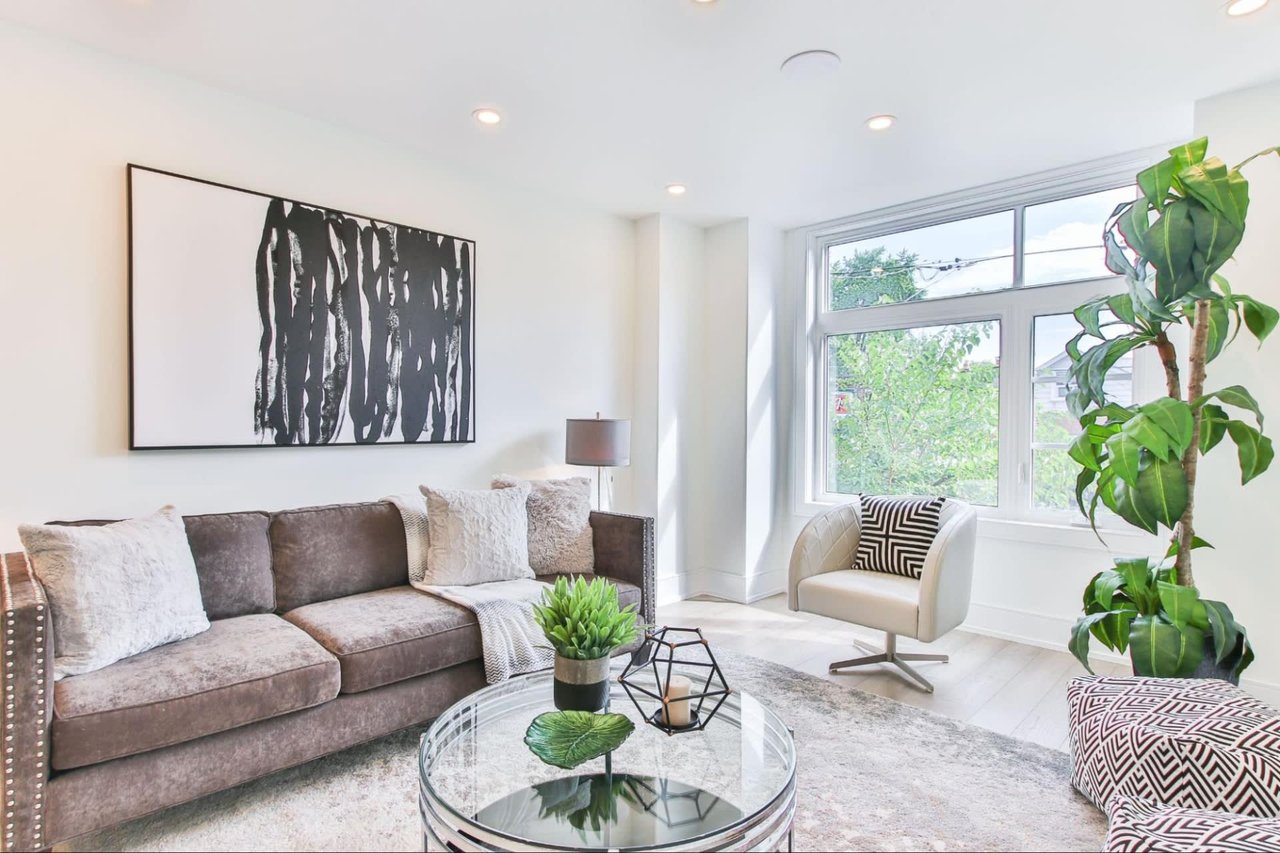
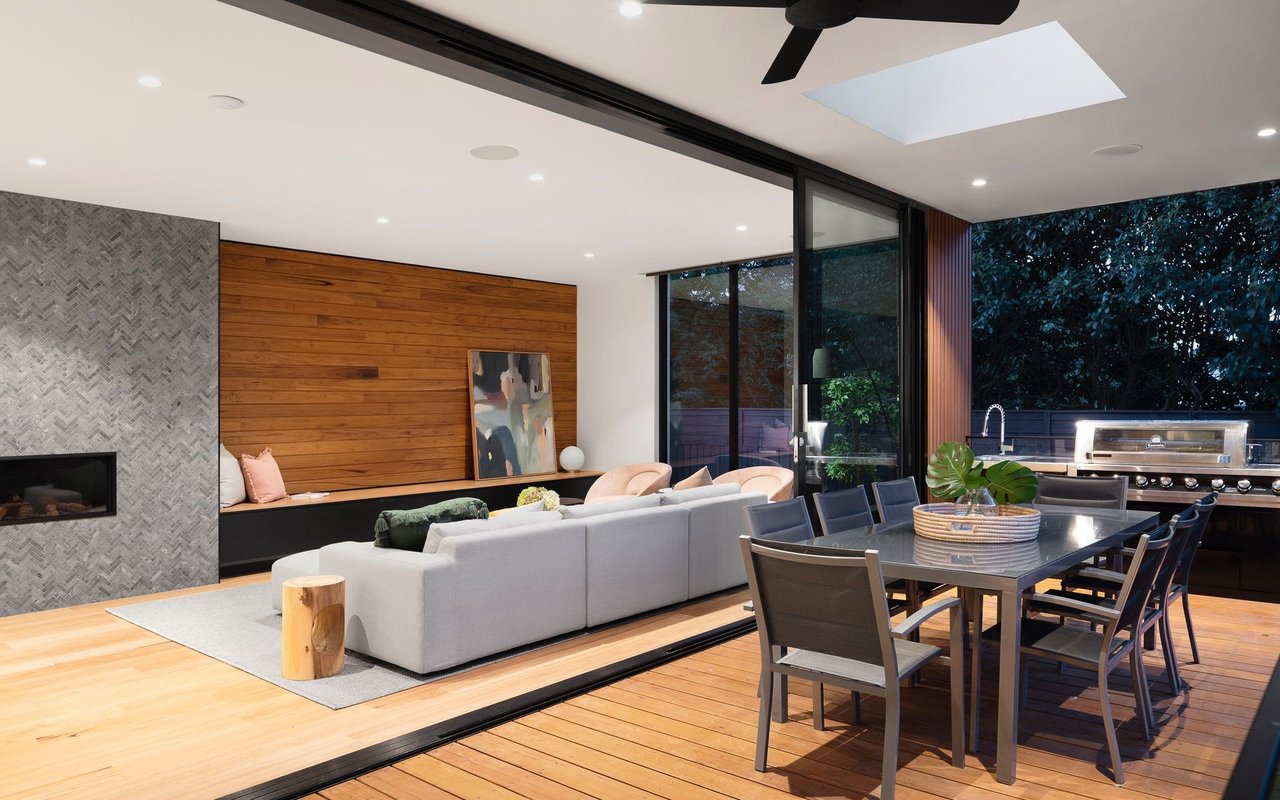
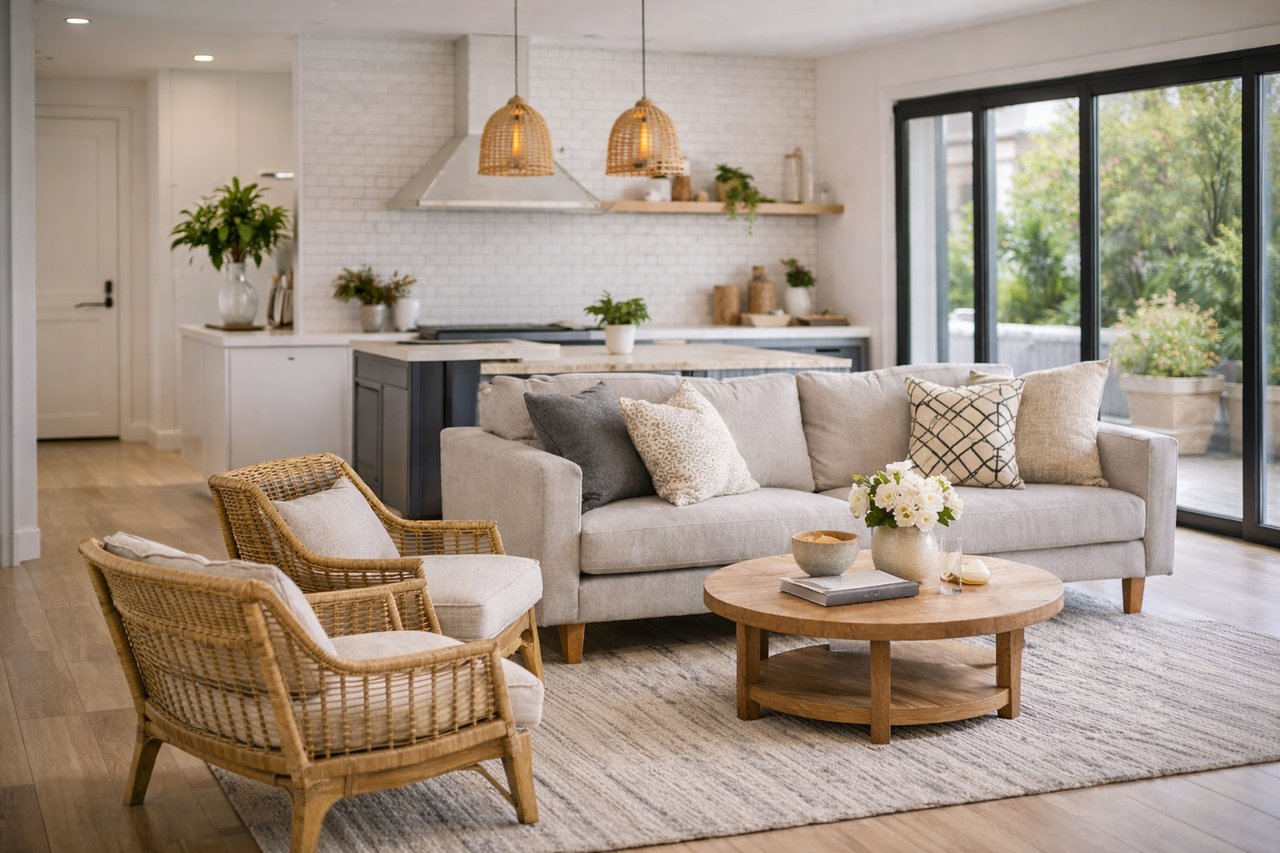
1) The living room (highest psychological payoff)
If buyers only remember one room, it’s often the living space. Why? It answers the question:
“Can I see my life here?”
Spend here on:
-
A properly sized sofa + chairs (scaled to the room, not oversized)
-
A rug that “anchors” the space
-
Coffee table styling that feels clean and intentional
-
Lighting that makes the room feel bright, warm, and open
Why it pays: The living room sets the emotional tone for the entire tour and photographs extremely well. If it reads as cramped, dark, or awkward, everything feels harder.

2) The primary bedroom (confidence builder)
The primary suite is where buyers decide if the home feels like an “upgrade.” A well-staged primary signals comfort, calm, and enough space.
Spend here on:
-
A correctly sized bed (often a king or queen, depending on room scale)
-
Nightstands and lamps (symmetry reads expensive)
-
Crisp bedding + neutral tones
-
Minimal art and one or two elevated accessories
Why it pays: Buyers are sensitive to bedrooms that feel small. Staging helps clarify space and function without buyers needing imagination.
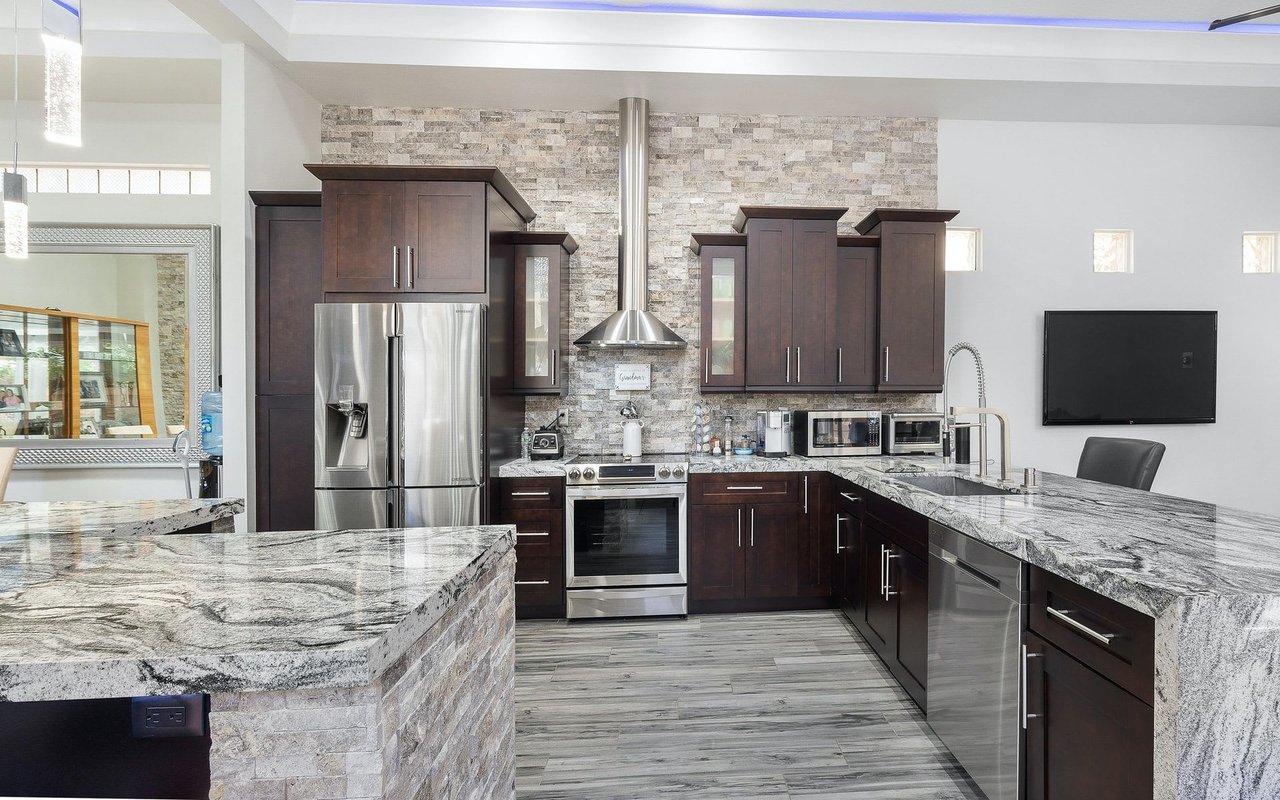
3) The kitchen (not full staging—strategic polishing)
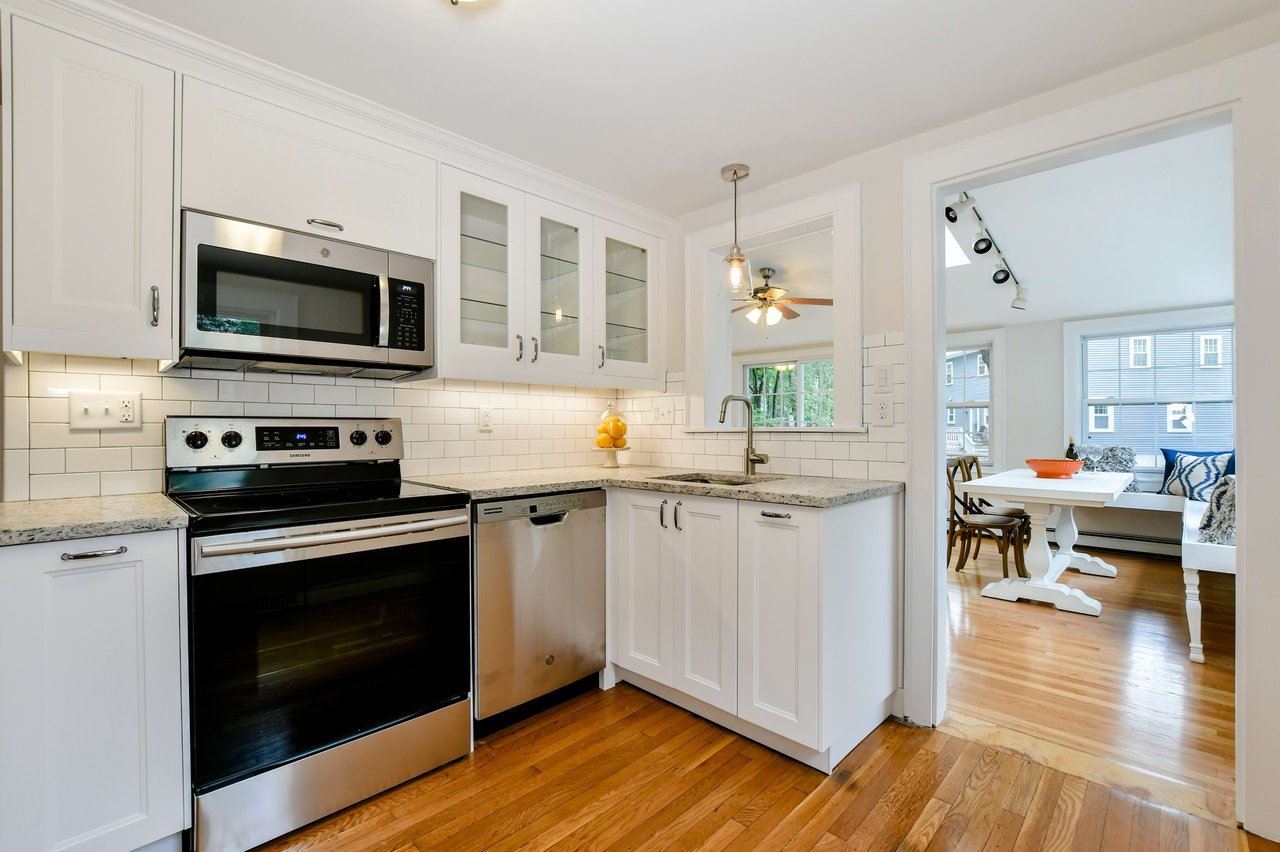
You don’t usually need to “stage” a kitchen with furniture, but you do need it to photograph cleanly and read as move-in ready.
Spend here on:
-
Counter clearing + decluttering (the cheapest ROI)
-
A few high-end, simple accessories (one cutting board, one bowl of citrus, one plant)
-
Updated lighting if it’s dated (often worth it)
-
Professional deep clean and detail work
Why it pays: Kitchens sell homes. A kitchen that looks busy, dark, or dated triggers the buyer’s internal calculator.
Where people overspend: trendy decor, too many accessories, elaborate table settings in an eat-in area.
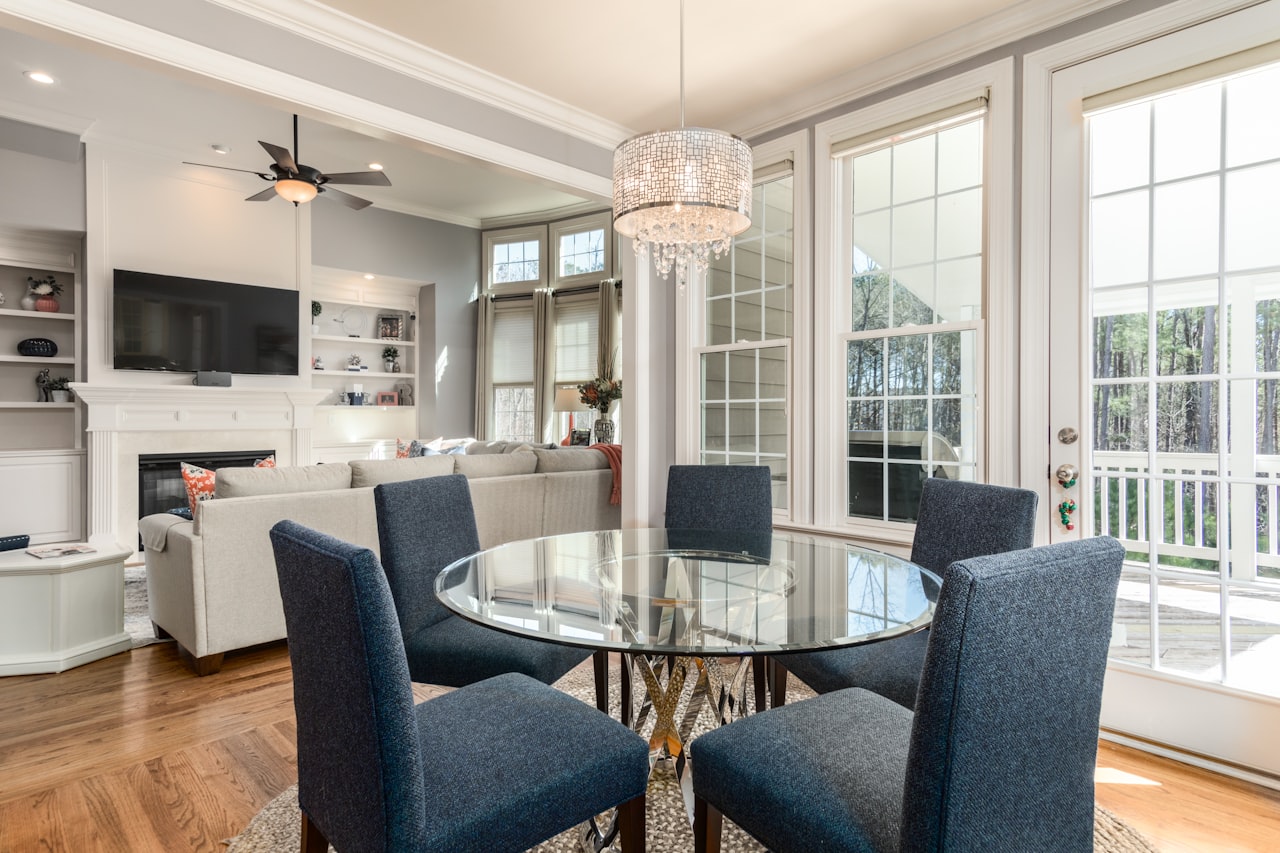
4) Dining area (when it clarifies function)
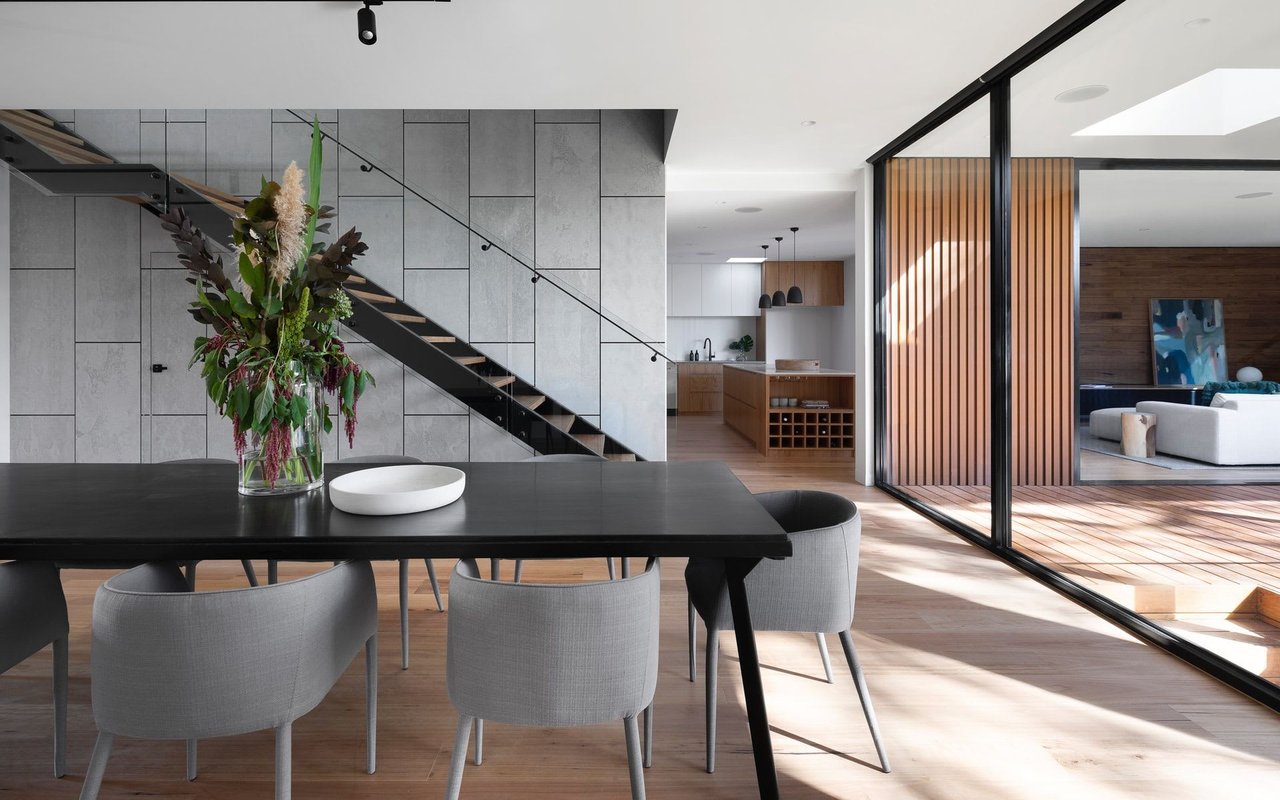
If the dining area is obvious, keep it simple. If it’s unclear (open-concept, odd nook, flex space), staging can be a game changer.
Spend here on:
-
A table sized correctly (often smaller than sellers expect)
-
4–6 chairs max (avoid crowding)
-
A simple centerpiece (not a full tablescape)
Why it pays: It prevents the “What is this space?” confusion that slows decisions.
5) Outdoor living (massive ROI in Orange County)
In OC, patios, balconies, and backyards are lifestyle multipliers. Buyers pay for outdoor spaces that feel usable, not just “there.”
Spend here on:
-
A small seating set that fits the space
-
Clean cushions + neutral tones
-
Simple lighting (string lights only if it fits the style)
-
Fresh mulch or tidy ground cover, trimmed landscaping
Why it pays: Outdoor living sells the experience—and that experience is often what pushes buyers to tour and offer.

Where Staging ROI Drops (Lower-Value Spending)
1) Kid rooms (keep them minimal)
Kids’ rooms don’t usually sell the home. Buyers primarily want to see that they function as bedrooms.
Skip: themed decor, busy wall art, lots of toys
Do instead: clean bed, simple bedding, one small accent
2) Over-staging “every corner”
It’s tempting to stage every nook, but too much decor can make the home feel like a showroom—and buyers start looking for what’s being “covered up.”
Skip: excessive accessories, crowded shelves, too many plants
Do instead: leave negative space so the home feels bigger
3) High-end furniture in the wrong scale
Luxury-looking staging that is too large can backfire. It makes rooms feel smaller and creates awkward walking paths.
Rule of thumb: the staging should expand the room, not compress it.
4) Spending big on rooms that won’t photograph well
Some spaces don’t drive buyer emotion: laundry rooms, utility areas, garages (most of the time).
Spend here only if: it’s visibly messy or gives a “deferred maintenance” vibe.
Otherwise: clean, organized, and done.
The Smartest Staging Budget Strategy
Here’s a practical approach that works across price points:
Step 1: Start with “visual friction removal”
Before a single piece of staging goes in, handle:
-
Declutter (especially countertops and surfaces)
-
Remove oversized furniture
-
Patch and paint touch-ups
-
Replace burnt-out bulbs / mismatched color temperature
-
Deep clean (baseboards, windows, grout, hardware)
This often creates the biggest ROI because it makes the home feel “cared for.”
Step 2: Stage the “hero zones”
Allocate your staging budget to the areas that create the emotional yes:
-
Living room
-
Primary bedroom
-
Kitchen polish
-
Dining (if needed for clarity)
-
Outdoor seating
If you can only do partial staging, do these.
Step 3: Use “buyer psychology” to decide how far to go
Ask: What is my buyer comparing my home to online?
-
If nearby inventory is beautifully presented, full staging matters more.
-
If your home is already updated and vacant, staging can be crucial to avoid “cold” feeling.
-
If your home is occupied but stylish and well-scaled, a consult + light refresh may be enough.
Vacant vs. Occupied: Which Needs Staging More?
Vacant homes usually need staging
Vacant homes often feel smaller and less welcoming in photos. Buyers struggle to judge scale.
Best approach: full or partial staging focusing on living room + primary + dining.
Occupied homes may only need a staging consult
If your furnishings are modern and properly scaled, you can often stage with:
-
furniture edits (removing pieces)
-
accessory swaps (less clutter)
-
bedding refresh
-
lighting adjustments
Common Staging Mistakes That Kill ROI
-
Too much stuff (buyers feel the home is smaller)
-
Too trendy (buyers feel it’s someone else’s taste)
-
Ignoring lighting (dark homes feel dated and low value)
-
Forgetting the entry (first impression matters)
-
Not staging outdoor spaces in lifestyle markets like OC
Quick FAQ (Featured Snippet-Friendly)
Is staging worth it in 2026?
Often, yes—especially if your home is vacant, dated, or competing with well-presented listings. Staging improves photos, buyer perception, and urgency, which can reduce price-cut risk.
What rooms should I stage first?
Start with the living room and primary bedroom, then polish the kitchen. Add dining only if it clarifies function, and don’t forget outdoor living.
Can I stage on a budget?
Yes. Decluttering, cleaning, lighting, and partial staging of the “hero zones” often produce the best staging ROI without doing the entire house.