
What Is the Hardest Month to Sell a House?
What Is the Hardest Month to Sell a House?
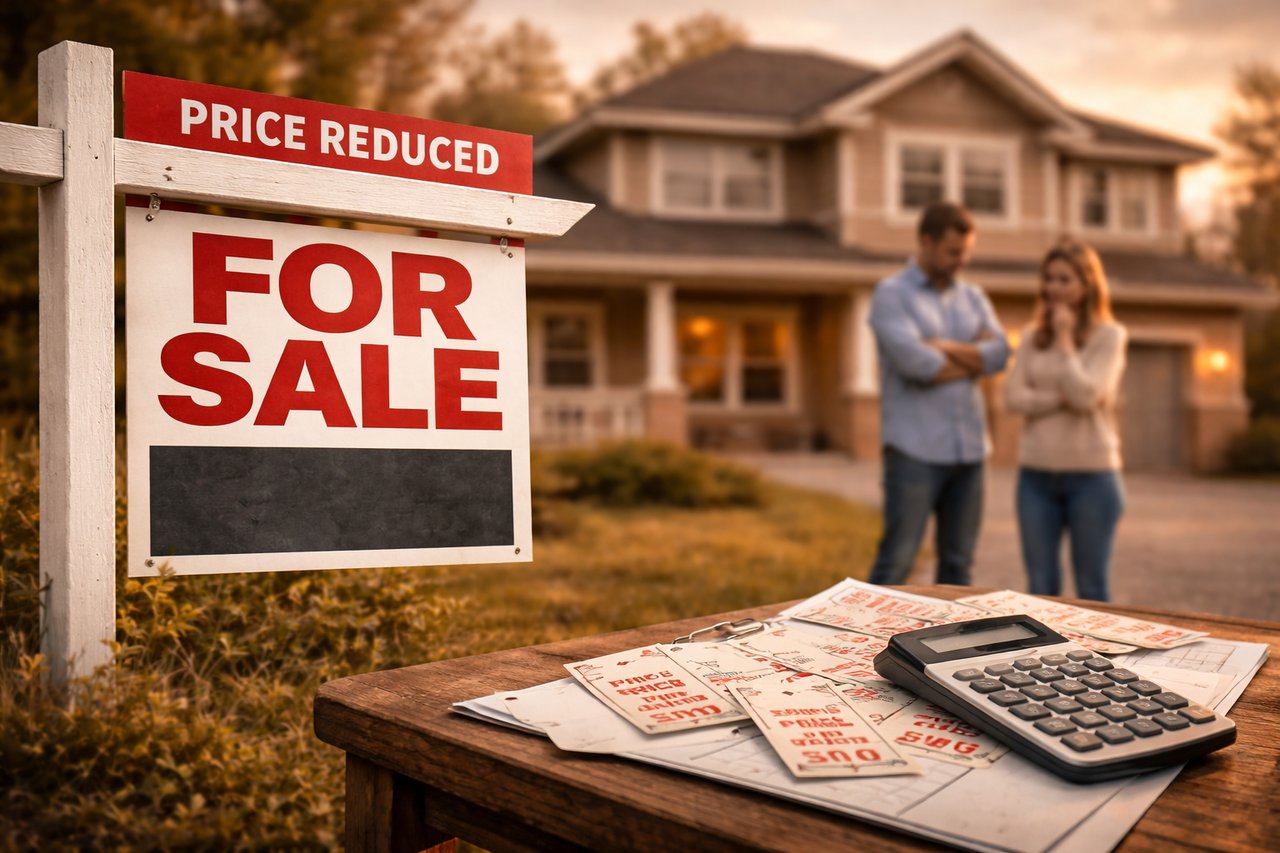
If you are thinking about selling your home, timing can play a significant role in how quickly your property sells and how much buyers are willing to pay.
One of the most common questions homeowners ask is: What is the hardest month to sell a house?
While every market behaves slightly differently, real estate data across the United States consistently shows that January is typically the slowest and most challenging month to sell a home.
However, the answer is more nuanced than simply naming one month on the calendar. Seasonal buyer behavior, economic cycles, school schedules, weather, and inventory levels all influence when homes sell faster or slower.
Understanding these seasonal patterns can help homeowners position their property strategically and maximize their outcome.
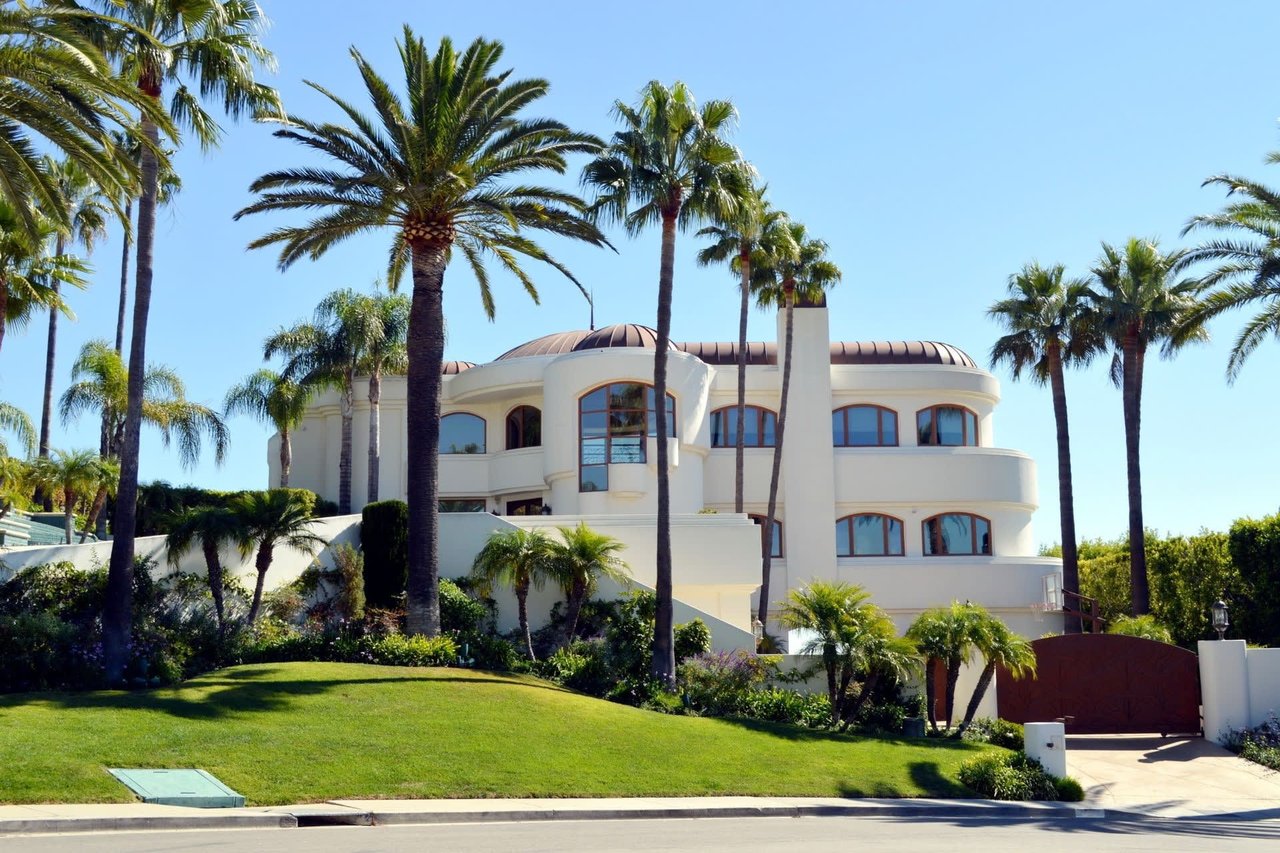
For homeowners in Orange County, California, these seasonal shifts still exist even in a highly desirable coastal market.
Let us explore why January is often the hardest month to sell a home, what factors influence seasonal demand, and how smart sellers can still succeed regardless of timing.
Why January Is Often the Hardest Month to Sell a House
Across most U.S. housing markets, January consistently shows the lowest buyer activity and slower home sales.
Several factors contribute to this seasonal slowdown.
1. Holiday Financial Recovery
After the holiday season, many households are focused on recovering financially from holiday spending.
Buyers may delay large purchases like real estate until they feel financially stable again.
Mortgage applications historically dip in January as many potential buyers take time to reassess budgets and financial goals.
2. Weather and Seasonal Disruptions
In many parts of the country, winter weather significantly reduces home shopping activity.
Snow, freezing temperatures, and shorter daylight hours discourage open house visits and property tours.
Even though Southern California does not experience harsh winter weather, national buyer sentiment still influences market behavior.
3. New Year Transitions
January is a time when many people are adjusting to:
-
New jobs
-
School schedules
-
Tax planning
-
Financial goals
Real estate decisions often get pushed later into the year once routines stabilize.
4. Lower Buyer Urgency
The buyers who remain active during January are often highly selective.
Many are casually browsing rather than urgently searching.
This means homes can stay on the market longer if they are not priced correctly.
Real Estate Seasonality: How the Housing Market Moves Throughout the Year
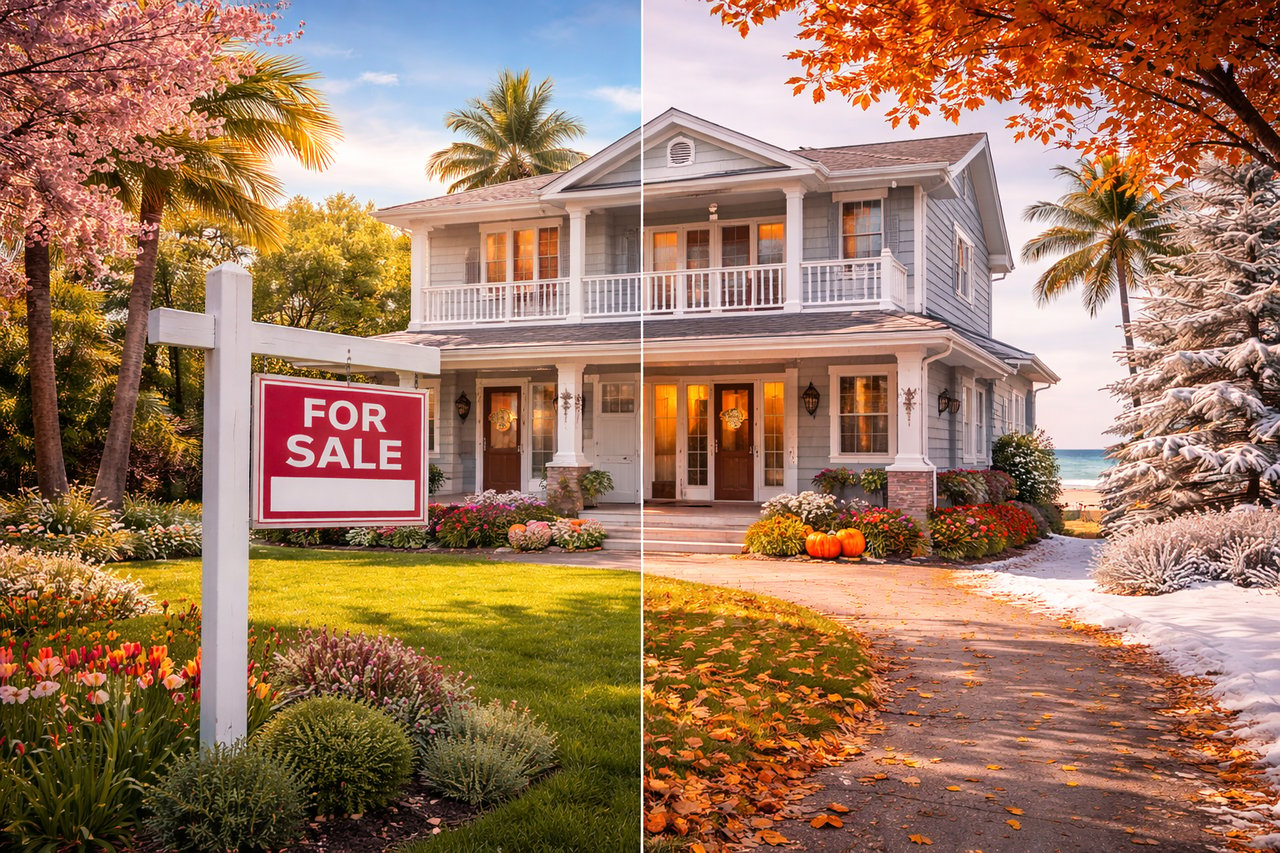
Real estate follows a predictable seasonal cycle driven by buyer behavior.
Understanding this cycle helps explain why some months are harder for sellers.
Winter Market (December – February)
Winter is typically the slowest season for real estate.
Challenges include:
-
Lower buyer activity
-
Holiday travel schedules
-
Shorter daylight hours
-
Reduced open house traffic
However, there is one advantage.
Buyers who shop during winter are often more serious and motivated.
Spring Market (March – May)
Spring is widely considered the strongest selling season.
Buyer activity increases dramatically because:
-
Families want to move before the next school year
-
Weather improves
-
Inventory increases
-
Buyers feel renewed motivation
Spring listings often receive the highest number of showings and offers.
Summer Market (June – August)
The summer market remains active but begins to slow slightly compared to spring.
Factors include:
-
Family vacations
-
School breaks
-
Heat waves in some regions
However, homes with strong curb appeal and outdoor spaces often perform well during summer months.
Fall Market (September – November)
The fall real estate market typically becomes more balanced.
Buyer demand remains steady but begins tapering toward the holidays.
Many sellers who missed the spring market try again in early fall.
Real Estate Data: Best vs Worst Months to Sell a House
Based on nationwide housing data, typical seasonal patterns look like this:
Best Months to Sell a Home
-
April
-
May
-
June
These months often bring:
-
Higher sale prices
-
Faster transactions
-
More competitive offers
Hardest Months to Sell
-
January
-
December
-
February
Homes listed during these months may:
-
Take longer to sell
-
Receive fewer offers
-
Require more strategic pricing
However, it is important to note that market conditions can override seasonal trends.
Low inventory or strong demand can create favorable conditions even during slower months.
Why the Hardest Month to Sell a House Does Not Always Matter
Although January may statistically be the hardest month to sell a house, success ultimately depends on several factors beyond the calendar.
Pricing Strategy
Correct pricing is one of the most critical factors in real estate.
Homes priced correctly from the beginning generate more interest and avoid sitting on the market.
Overpricing during a slow season can dramatically reduce buyer activity.
Property Preparation
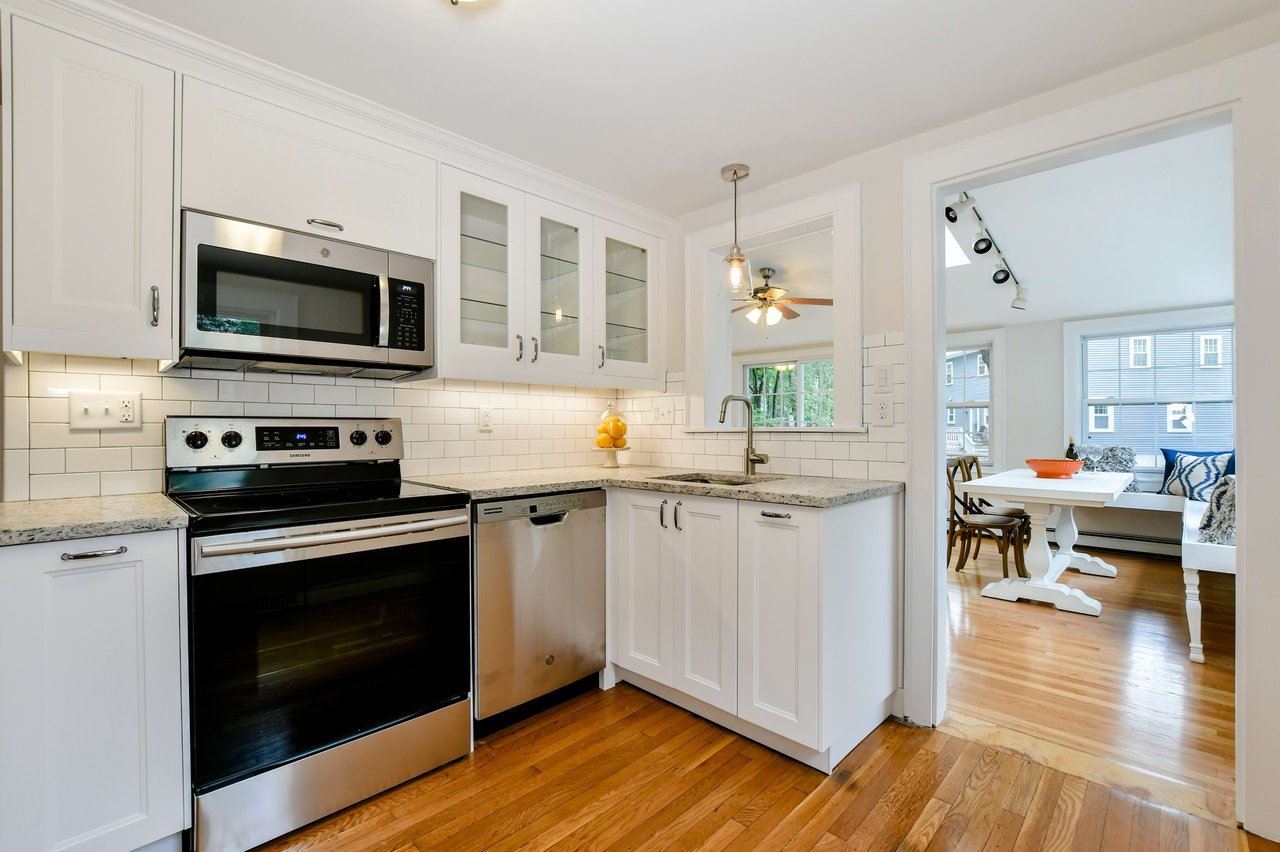
Homes that are well prepared consistently outperform others regardless of timing.
Key preparation steps include:
-
Professional staging
-
High quality photography
-
Decluttering and cleaning
-
Landscaping improvements
A well presented home can stand out even during slower months.
Marketing Exposure
Modern real estate marketing can significantly influence buyer activity.
Effective strategies include:
-
Social media campaigns
-
video tours
-
digital advertising
-
targeted email marketing
Strong marketing helps generate exposure even during seasonal slowdowns.
Local Market Conditions
Real estate is highly localized.
Orange County housing demand often behaves differently than the national market because of:
-
coastal lifestyle demand
-
strong job markets
-
limited housing inventory
In highly desirable areas, homes may sell quickly even during traditionally slow months.
Orange County Real Estate Trends: Does Seasonality Matter?
The Orange County real estate market tends to be more resilient than many other U.S. regions.
Several factors support year-round demand.
Lifestyle Driven Market
Orange County attracts buyers for lifestyle reasons:
-
Coastal living
-
Outdoor recreation
-
Proximity to major employment centers
-
Highly rated schools
Lifestyle markets often maintain steady buyer demand throughout the year.
Limited Housing Supply
Orange County has a persistent shortage of available housing.
Low inventory can counteract seasonal slowdowns because buyers have fewer options.
Relocation Buyers
Southern California regularly attracts relocation buyers moving from:
-
Northern California
-
New York
-
Texas
-
International markets
These buyers often operate on personal timelines rather than seasonal ones.
Should You Wait for Spring to Sell Your Home?
Many homeowners believe they should wait until spring to list their property.
While spring does offer strong demand, waiting is not always the best strategy.
There are advantages to listing during slower seasons.
Less Competition
During January and February, fewer homes are listed.
Less inventory means your home may receive more attention from serious buyers.
Motivated Buyers
Winter buyers often need to move due to:
-
job relocations
-
life transitions
-
investment opportunities
Motivated buyers can lead to faster decisions.
Early Market Positioning
Listing earlier in the year positions your home ahead of the spring inventory surge.
Buyers entering the market may focus on your listing first.
How to Sell Successfully Even During the Hardest Month
If you need to sell your home during a slower season, several strategies can improve your outcome.
1. Price Strategically
Homes priced competitively generate more interest.
Avoid testing the market with unrealistic pricing.
2. Maximize Online Appeal
Today’s buyers begin their home search online.
Professional photography and video tours are essential.
3. Highlight Seasonal Advantages
If selling during winter, emphasize features such as:
-
fireplaces
-
cozy interiors
-
energy efficiency
-
holiday entertaining spaces
4. Improve Lighting
Winter months have shorter daylight hours.
Bright interior lighting can make a home feel more inviting.
5. Work With an Experienced Local Realtor
Local expertise is critical when navigating seasonal shifts.
A knowledgeable agent understands how to adjust marketing, pricing, and negotiation strategies depending on market conditions.
Timing Matters, But Strategy Matters More
So what is the hardest month to sell a house?
For most real estate markets across the United States, January is typically the slowest month due to reduced buyer activity and seasonal distractions.
However, timing alone does not determine success.
Homes that are well priced, professionally marketed, and strategically positioned can sell successfully in any month.
For homeowners in Orange County, strong lifestyle demand and limited housing supply often soften seasonal slowdowns.
The key is working with a real estate professional who understands how to position your home effectively regardless of when it enters the market.
If you are considering selling your home and want to understand current market conditions in Orange County, having a personalized strategy can make all the difference.
Cheryl Lynch
The Lynch Group | Compass
949.842.5340