
What Should You Not Do Before Selling Your House?
Seven mistakes that can cost Orange County sellers time, money, and negotiating power before the home ever reaches the market.
If you are getting ready to sell your Orange County home, there is usually a long list of things you think you should do.
Paint.
Repair.
Declutter.
Landscape.
Stage.
Upgrade.
But some of the most expensive seller mistakes happen because homeowners do too much, too soon, or without a clear strategy.
The goal before listing is not to make your home perfect.
It is to make smart decisions about what will actually improve buyer response and protect your net proceeds.
That means knowing what not to do can be just as important as knowing what to do.
Key Takeaways
- Do not start major renovations without first understanding whether buyers will reward the expense.
- Do not price your home based on what you need to net.
- Do not hide known property issues.
- Do not over-personalize the preparation.
- Do not ignore photography, lighting, and showing condition.
- Do not wait until the week before listing to start planning.
- Do not assume every dollar spent will return a dollar at closing.
1. Do Not Start a Major Remodel Just Because You Are Selling
This is one of the first questions sellers ask:
Should I remodel the kitchen before I list?
Sometimes the answer is yes.
Often, it is no.
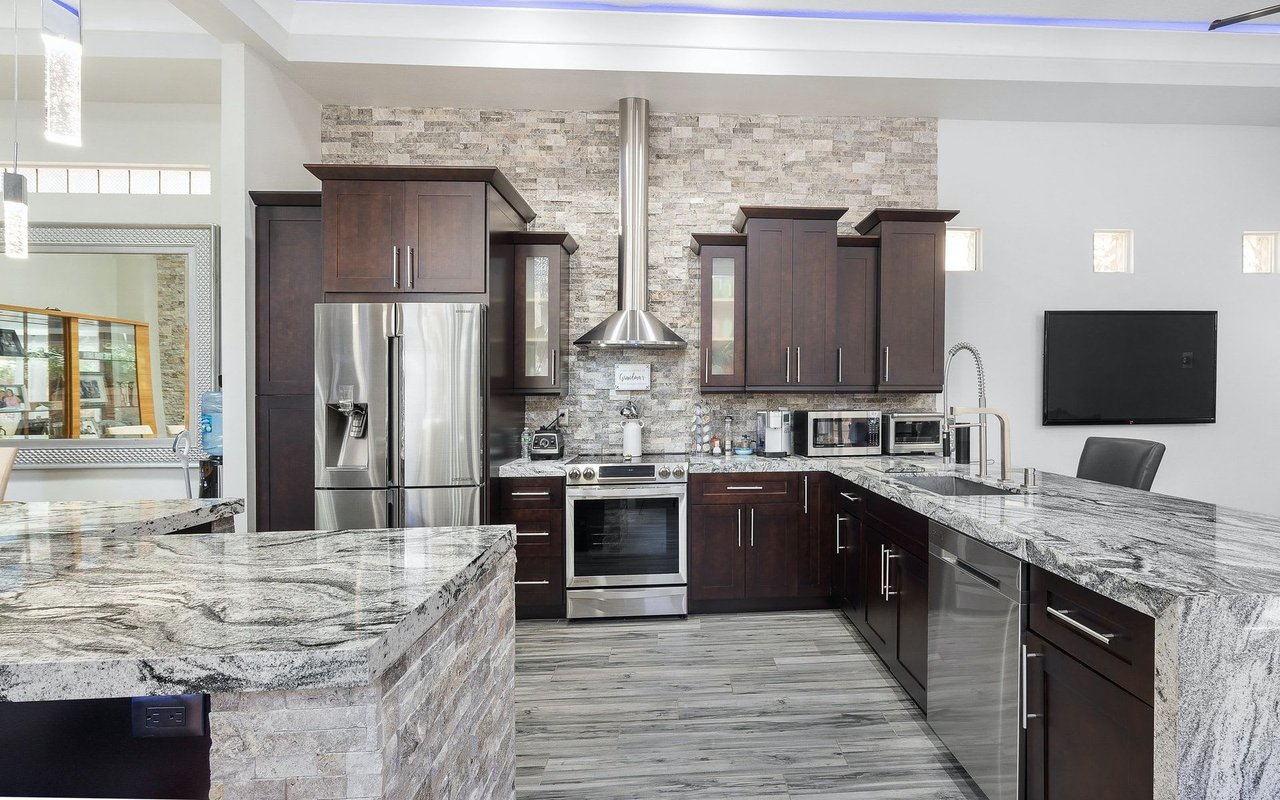
A full kitchen remodel can cost tens of thousands of dollars. The same is true for bathrooms, flooring, windows, landscaping, and major exterior improvements.
The mistake is assuming:
If I spend $50,000, my home will automatically sell for $50,000 more.
Real estate rarely works that neatly.
A renovation may improve marketability without producing an equal dollar-for-dollar return.
Before starting any major project, compare:
- Homes that sold remodeled
- Homes that sold in original condition
- Current competing listings
- The likely buyer profile
- Your timeline
- The actual renovation cost
- The disruption involved
Sometimes fresh paint, updated lighting, repairs, staging, and professional photography will produce a stronger return than a full remodel.
The better question
Do not ask:
What can I improve?
Ask:
Which improvements will materially affect how buyers perceive value?
That is a much more useful question.
2. Do Not Price the Home Based on What You Need
A seller may say:
I need $1.8 million because that is what I need for my next purchase.
That may be completely understandable.
But buyers are not evaluating your next move.
They are comparing your home with other available properties.
Your asking price should be based on:
- Recent comparable sales
- Active competition
- Pending sales
- Condition
- Location
- Lot
- View
- Upgrades
- Market time
- Current buyer behavior
Orange County's September 2026 median sold price was approximately $1.225 million, while homes sold for about 99% of asking price on average. That suggests buyers are still paying strong prices, but they are also paying close attention to value. Realtor
A price that is unsupported by the market can cost you valuable early exposure.
3. Do Not Assume You Can “Test the Market” With an Inflated Price
This is closely related but deserves its own section.
Some sellers think:
We can always come down later.
Technically, yes.
Strategically, that can be expensive.
The first days on market are often when a property receives the greatest attention from active buyers.
If the home appears overpriced during that initial window, buyers may skip it.
Then the listing begins accumulating market time.
Later, the seller reduces the price.
Now buyers may ask:
- What is wrong with it?
- Why has it not sold?
- Will they reduce it again?
- How motivated are they?
The home may eventually reach the correct price, but the seller has lost momentum.
4. Do Not Fix Everything
This one surprises sellers.
You do not need to repair every imperfection before listing.
NAR recommends considering a pre-sale inspection because it can identify issues likely to stand out to buyers and allow sellers to make informed repair decisions before the property is marketed. National Association of REALTORS®
But the purpose is not necessarily to turn your home into new construction.
Separate repairs into three categories:
Safety or functional issues
These deserve serious attention.
Examples may include:
- Active leaks
- Electrical hazards
- Broken systems
- Plumbing problems
- Significant roof concerns
Cosmetic improvements
These may improve presentation.
Examples:
- Paint
- Hardware
- Lighting
- Landscaping
- Minor flooring repairs
Personal preferences
These are usually the lowest priority.
The buyer may not share your taste.
Do not spend heavily trying to predict another person's design preferences.
5. Do Not Hide Problems
This is a major mistake.
If you know about a material property issue, do not assume fresh paint or cosmetic work makes it disappear.
Disclosure requirements matter.
If there has been:
- Water intrusion
- Roof leakage
- Insurance claims
- Foundation work
- Plumbing problems
- Unpermitted work
- Known defects
discuss the issue with your real estate professional and appropriate legal professionals when needed.
The safest strategy is transparency.
Trying to conceal a problem can create a much larger issue later during inspection, escrow, or after closing.
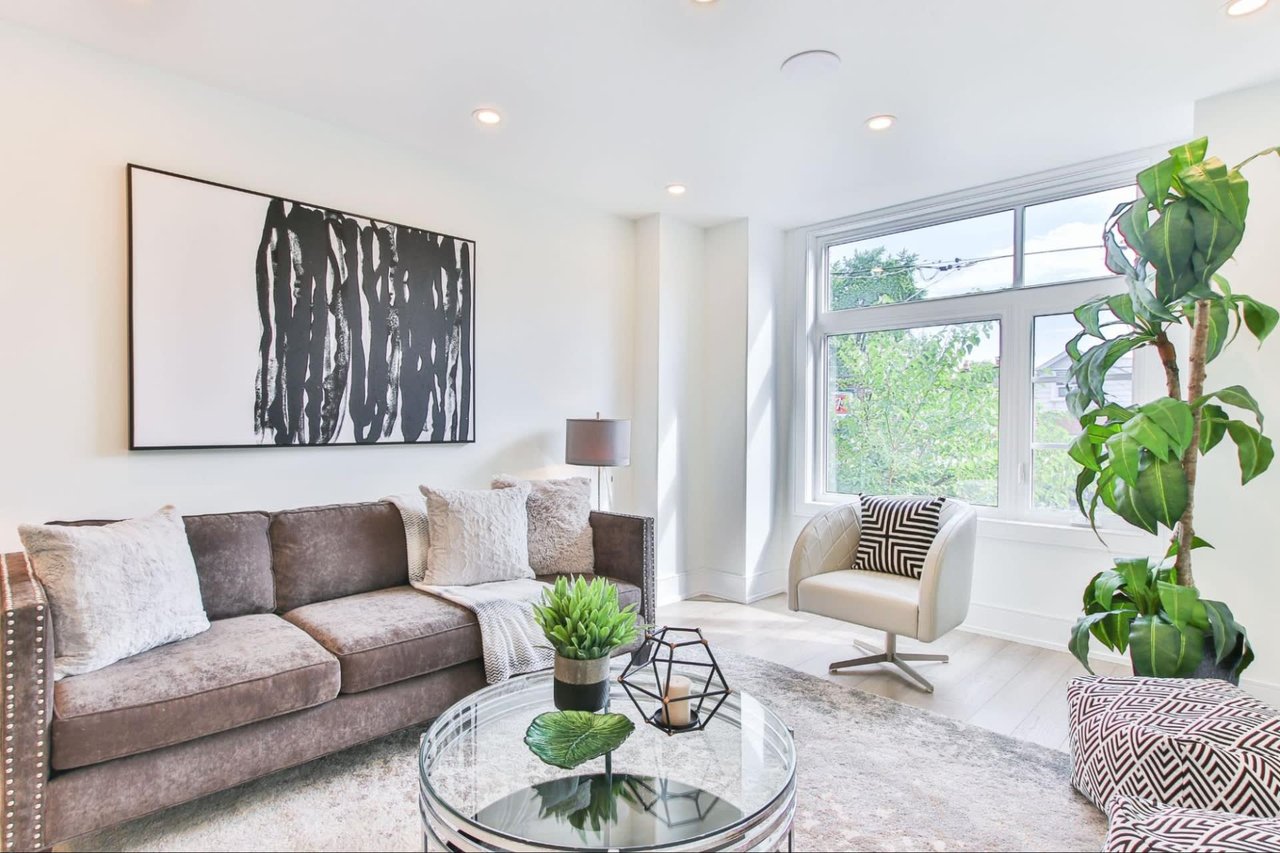
6. Do Not Over-Decorate or Over-Stage
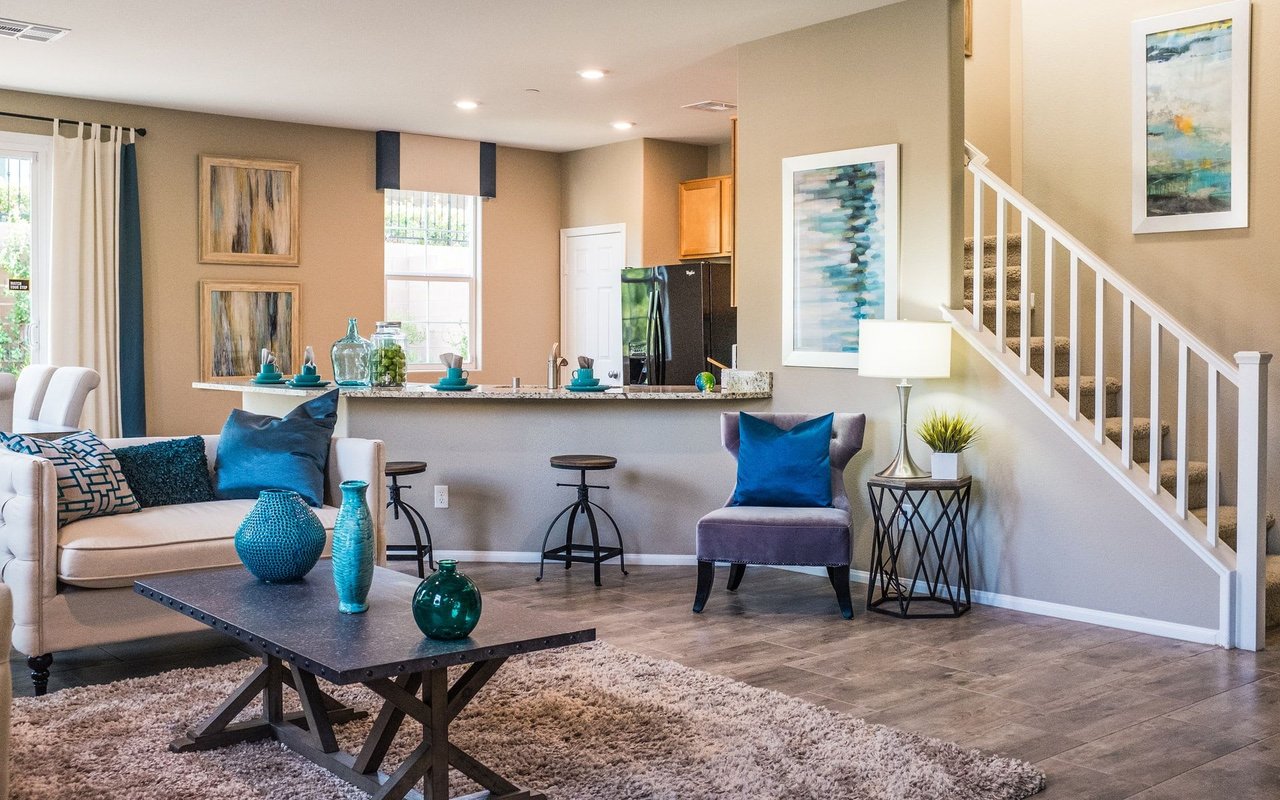
Staging should help buyers understand the home.
It should not overwhelm it.
Too much furniture can make rooms feel smaller.
Too many accessories can distract from architectural features.
Highly personal décor can make it harder for buyers to imagine themselves living there.
NAR's recent showing guidance emphasizes that clutter, dark rooms, odors, and poor presentation can immediately weaken buyer impressions, especially as buyers become more demanding at today's price levels. National Association of REALTORS®
The goal is:
Clean. Bright. Edited. Inviting.
Not:
Perfectly decorated.
7. Do Not Ignore the Exterior
A buyer begins forming an opinion before entering the front door.
Look at:
- Front door
- Paint
- Landscaping
- Lighting
- Walkway
- Garage
- Windows
- House numbers
- Planters
- Entryway
You do not need elaborate landscaping.
You need the property to look maintained.
Dead plants, peeling paint, clutter, and poor lighting can create an immediate impression that the home requires more work than the buyer expected.
8. Do Not Use Poor Photography
This is one of the easiest ways to weaken a listing.
Most buyers first experience the home online.
That means your first showing happens through:
- The main photo
- Photo sequence
- Video
- Floor plan
- Description
Dark, distorted, cluttered, or poorly composed photography can make a strong home look average.
Professional photography is not a cosmetic extra.
It is part of the positioning strategy.
9. Do Not Make Showing the Home Difficult
Sellers are still living their lives.
That matters.
But extremely restrictive showing access can reduce opportunities.
If a buyer has one afternoon to see five homes and yours requires 48 hours' notice, they may simply move on.
Discuss a showing strategy before listing.
Agree on:
- Minimum notice
- Available hours
- Pets
- Security
- Occupied spaces
- Weekend access
Reasonable accessibility matters.
10. Do Not Let Your Emotions Set the Negotiation Strategy
Your home may hold enormous emotional value.
That is real.
But buyers are evaluating:
- Condition
- Location
- Comparable sales
- Monthly payment
- Competition
- Repairs
A low offer can feel insulting.
A repair request can feel excessive.
A buyer criticizing something you love can feel personal.
Try to separate:
the home you lived in
from
the asset being negotiated.
That does not mean accepting bad terms.
It means evaluating each decision based on what produces the strongest overall outcome.
11. Do Not Wait Until You Are Ready to List to Talk to an Agent
One of the best times to meet with a real estate professional is before you begin spending money.
Ideally, several weeks or months before listing.
That gives you time to evaluate:
- Repairs
- Staging
- Landscaping
- Pricing
- Market timing
- Competition
- Photography
- Your next move
The earlier you create the strategy, the less likely you are to spend money on improvements that do not materially help.
12. Do Not Forget About Your Next Move
This is especially important.
Selling is rarely the entire goal.
You may be:
- Buying another home
- Downsizing
- Relocating
- Moving into senior living
- Purchasing an investment
- Renting temporarily
Before listing, understand:
- Where you are going
- Whether you need the sale proceeds
- Your financing options
- Temporary housing possibilities
- Moving timeline
A strong selling strategy should support the bigger plan.
What Should You Do Before Selling?
Once you know what not to do, the preparation becomes much simpler.
Focus on:
- Understanding your current value
- Reviewing competing homes
- Identifying necessary repairs
- Decluttering
- Improving light and presentation
- Creating strong curb appeal
- Planning professional photography
- Determining the right pricing strategy
- Creating a showing plan
- Understanding your next move
The order matters.
Strategy comes first.
Spending comes second.
Frequently Asked Questions
Should I remodel before selling?
Only if the projected market benefit justifies the cost and timing. Some homes benefit more from cosmetic updates, repairs, and staging than from a full renovation.
Should I get a pre-listing inspection?
It can be helpful in some situations because it may uncover issues that could later affect negotiations. Whether it makes sense depends on the property and local strategy.
Should I paint before selling?
Fresh neutral paint can improve presentation when walls are worn, dark, or highly personalized. Not every home needs a complete repaint.
Is staging worth it?
Staging can help buyers understand scale, function, and lifestyle. The right level of staging depends on the home's condition, price point, and existing furnishings.
Should I list high and negotiate down?
That strategy can reduce buyer interest if the asking price is materially above comparable alternatives. Pricing should reflect current competition and buyer behavior.
The Biggest Mistake Is Preparing Without a Strategy
Before you paint the whole house...
Before you remodel the kitchen...
Before you replace flooring...
Before you spend $20,000 on landscaping...
Know what the market actually needs from your property.
You may need less than you think.
Or you may need to focus your budget somewhere completely different.
That is why preparation should start with a plan.
Thinking About Selling Your Orange County Home?
Before you begin making improvements, The Lynch Group can help you identify which preparation steps are most likely to matter for your specific property.
We can review your home's condition, current competition, likely buyer expectations, and estimated value before you spend money unnecessarily.