
Gen Z Is Quietly Becoming a Major Force in the Housing Market — Here’s Why It Matters
For years, the narrative around young adults and housing has been predictable: too much student debt, too little savings, and too many barriers to homeownership. But 2025 has flipped that conversation on its head.
A new wave of data shows that Gen Z is outpacing millennials and Gen X in homeownership at the same age, making them one of the most influential and misunderstood groups entering the housing market today.
And whether you’re a buyer, seller, investor, or simply paying attention to where the market is headed, this shift matters. A lot.
Because the buying patterns of a new generation don’t just influence demand—they shape pricing, neighborhood trends, inventory pressure, and what homeowners must do to attract the next wave of qualified, motivated buyers.
So let’s break down what’s really going on… and what it means for you.
Who Exactly Is Gen Z in the Context of the Housing Market?
Gen Z is anyone born between 1997 and 2012, meaning the oldest members just turned 27–28. Traditionally, those years were reserved for early career building, first apartments, and saving—maybe.
But this generation is different.
-
They grew up watching the 2008 housing crisis.
-
They saw millennials struggle with affordability.
-
And they entered adulthood at a time when remote work created new lifestyle flexibility.
Instead of viewing homeownership as a far-off milestone, Gen Z views it as a financial strategy, a stability anchor, and a way to create independence early.
Their mindset isn’t “someday.” It’s “why not now?”
Gen Z’s Homeownership Rate Is Surpassing Expectations
A recent nationwide study revealed something shocking:
Gen Z is buying homes faster than both millennials and Gen X did at their age.
Despite high interest rates, limited inventory, rising costs of living, and competitive markets, this group is finding creative ways to break in:
-
Co-buying with siblings, partners, or friends
-
Purchasing smaller, more affordable starter homes
-
Choosing up-and-coming cities and suburbs
-
Leveraging remote or hybrid work opportunities
-
Prioritizing saving earlier
-
Making lifestyle sacrifices earlier to buy sooner
They are not waiting for the “perfect market.”
They’re entering the real one—and succeeding.
Why Gen Z Is Buying So Early
1. Stability Matters More to Them Than Any Generation Before
Gen Z has lived through a pandemic, market volatility, economic instability, and rapid inflation.
To them, renting feels unpredictable.
Owning feels like control, security, and long-term protection.
2. They Want Smart Investments, Not “Dream Homes”
Unlike millennials—who often waited to purchase the perfect home—Gen Z is buying strategically.
Think:
-
Condos
-
Townhomes
-
Micro-homes
-
Properties with rental potential
They value the math more than the aesthetics.
3. They See Real Estate as a Pathway to Financial Independence
This generation is entrepreneurial.
They love passive income.
They love side hustles.
And they love the idea of setting up future wealth early.
Owning a home checks all three boxes.
4. Remote Work Changed Everything
Even though many companies have returned to hybrid work, Gen Z entered the workforce during the remote era.
They know they can work from anywhere—and they’re using that flexibility to buy where affordability still exists.
How Gen Z Is Reshaping the 2025 Housing Market
1. Increased Competition for Entry-Level Homes
Townhomes, condos, and smaller single-family homes are becoming more competitive—not because of downsizing boomers, but because of Gen Z.
This means sellers of entry-level homes are in a strong position in 2025.
2. Rising Demand in Secondary and Tertiary Cities
Gen Z is more open to relocating for affordability.
They don’t need to be tied to traditional job hubs the way older generations did.
This shift is putting new pressure on smaller markets and expanding demand outside major metros.
3. Higher Expectations for Move-In Ready Homes
Gen Z buyers prefer:
-
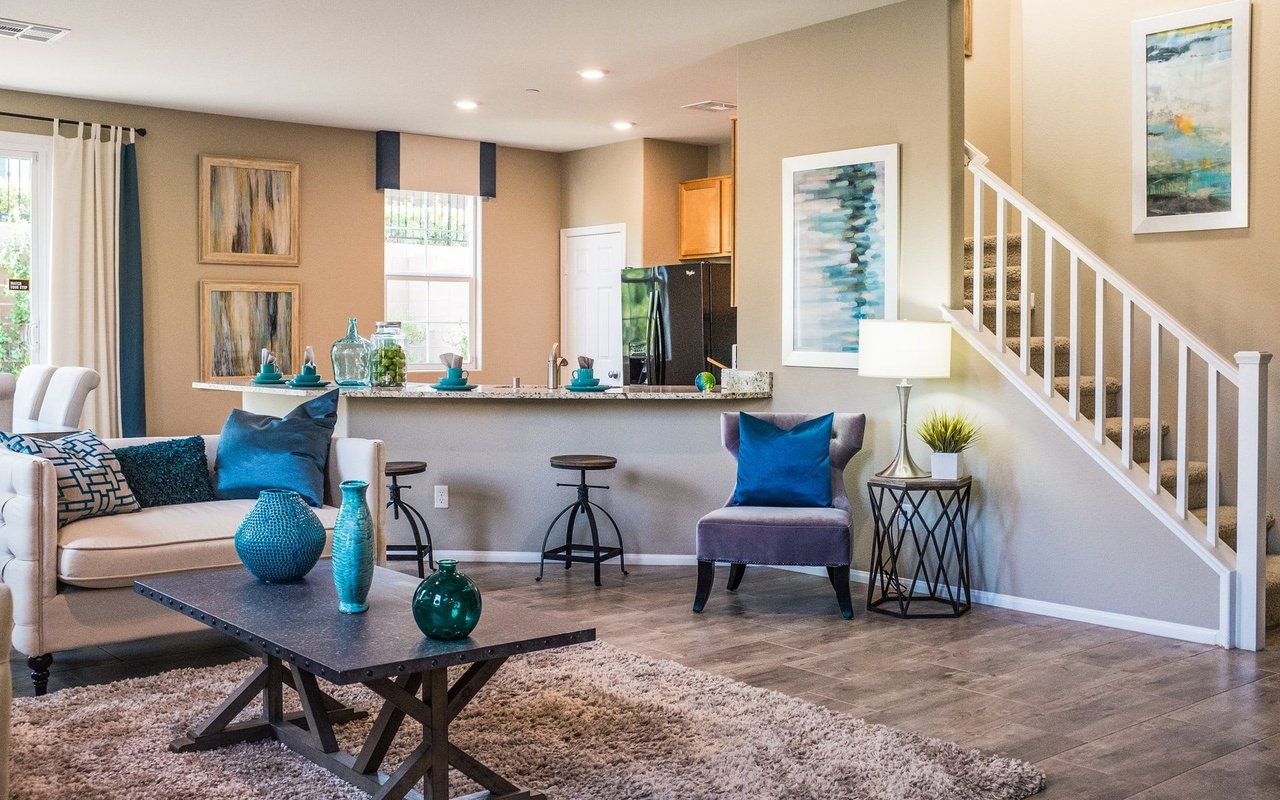
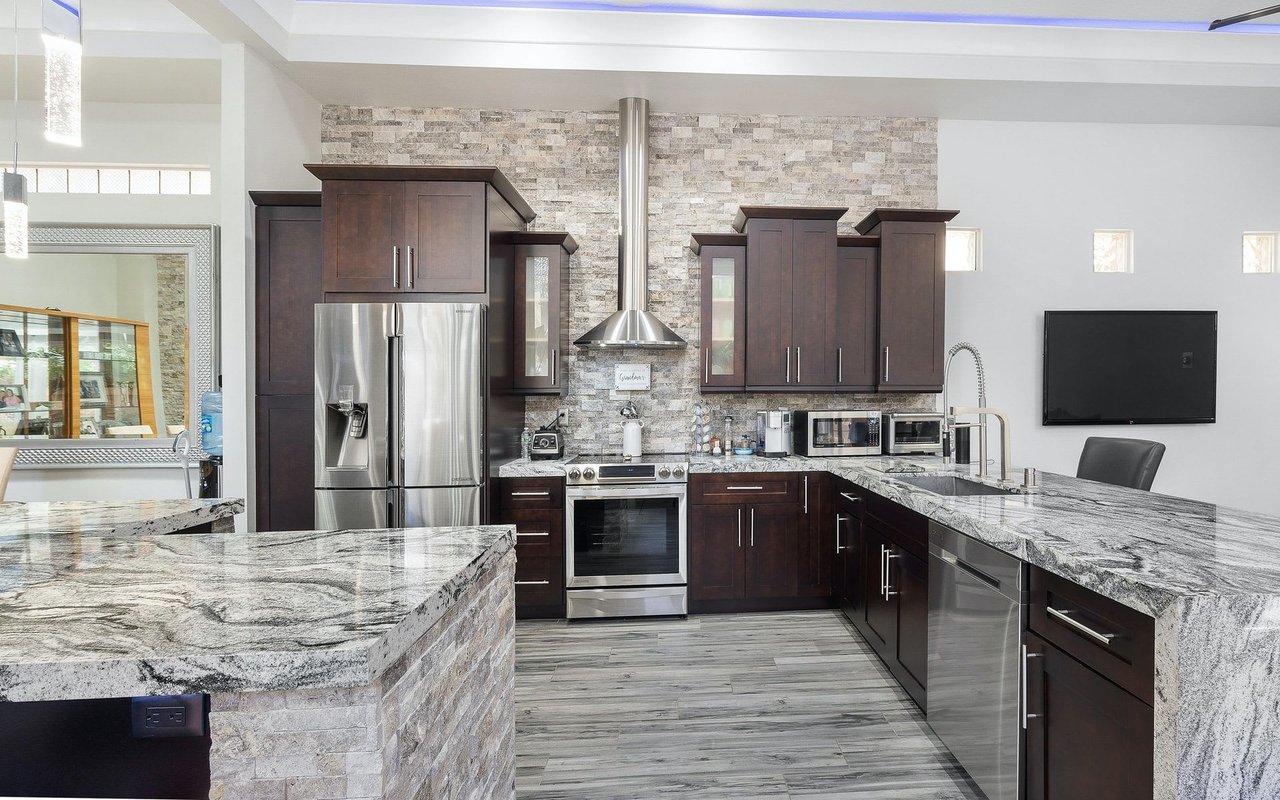
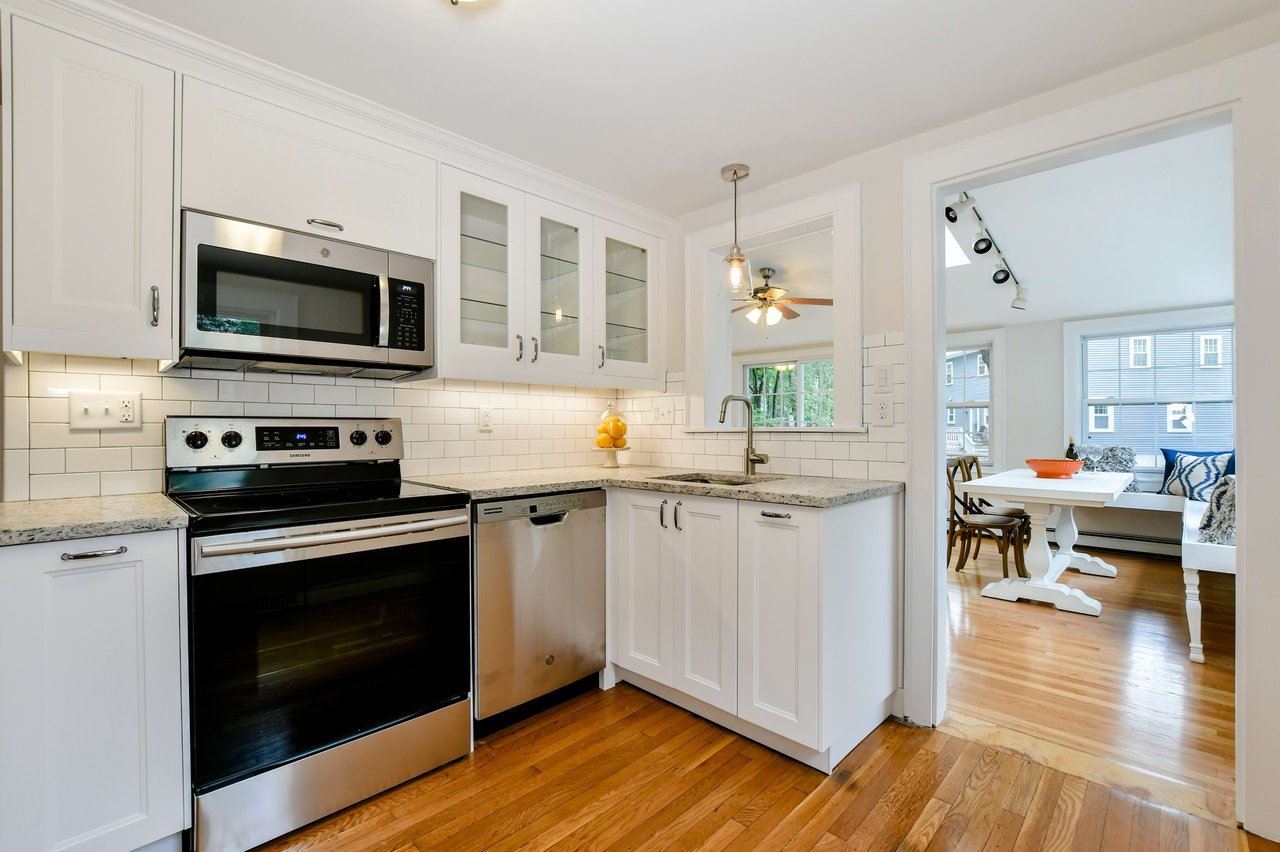
Updated kitchens
-
New flooring
-
Fresh paint
-
Energy-efficient features
-
Smart home systems
They grew up with convenience—and they’re willing to pay for it.
4. Technology Is Non-Negotiable
If your listing doesn’t have:
-
high-quality video tours
-
virtual walkthroughs
-
clear floor plans
-
fast communication
You will lose Gen Z immediately.
This generation expects speed, transparency, and simplicity.
What This Means for Sellers in 2025
If you’re planning to sell—especially in Orange County—the Gen Z wave could work in your favor. Here's how:
1. Your Starter-Level Home Is in High Demand
Condos, townhomes, smaller SFRs are extremely desirable now.
Pricing and presentation matter more than ever, but demand is strong.
2. Modern, turnkey features attract younger buyers
Consider smaller upgrades with big impact:
-
New paint
-
Updated hardware
-
Refinished cabinets
-
LED lighting
-
Energy-efficient appliances
These align with Gen Z preferences.
3. Digital-first marketing is no longer optional
Your buyer is likely scrolling on Instagram, TikTok, or Zillow before they ever step foot in a property.
This means your listing needs:
✓ Lifestyle-focused content
✓ Clear storytelling
✓ High-quality visuals
✓ Fast follow-up
The days of just putting a home on the MLS are over.
4. Pricing strategically matters more than ever
Gen Z buyers are budget-conscious.
They analyze data.
They watch YouTube.
They compare mortgage calculators.
Overpricing pushes them away instantly.
What This Means for Buyers in 2025
If you're a buyer, understanding Gen Z’s influence helps you prepare:
1. Expect more competition at the entry level
The earlier you enter the market, the more equity you build.
Waiting rarely makes things easier.
2. Be ready with a strong pre-approval
Gen Z buyers are fast and decisive—if you're not prepared, you’ll lose the home.
3. Explore creative buying strategies
Co-buying, house-hacking, and targeting expanding suburbs are helping younger buyers win.
For years, the narrative around young adults and housing has been predictable: too much student debt, too little savings, and too many barriers to homeownership. But 2025 has flipped that conversation on its head.
A new wave of data shows that Gen Z is outpacing millennials and Gen X in homeownership at the same age, making them one of the most influential and misunderstood groups entering the housing market today.
And whether you’re a buyer, seller, investor, or simply paying attention to where the market is headed, this shift matters. A lot.
Because the buying patterns of a new generation don’t just influence demand—they shape pricing, neighborhood trends, inventory pressure, and what homeowners must do to attract the next wave of qualified, motivated buyers.
So let’s break down what’s really going on… and what it means for you.
Who Exactly Is Gen Z in the Context of the Housing Market?
Gen Z is anyone born between 1997 and 2012, meaning the oldest members just turned 27–28. Traditionally, those years were reserved for early career building, first apartments, and saving—maybe.
But this generation is different.
-
They grew up watching the 2008 housing crisis.
-
They saw millennials struggle with affordability.
-
And they entered adulthood at a time when remote work created new lifestyle flexibility.
Instead of viewing homeownership as a far-off milestone, Gen Z views it as a financial strategy, a stability anchor, and a way to create independence early.
Their mindset isn’t “someday.” It’s “why not now?”
Gen Z’s Homeownership Rate Is Surpassing Expectations
A recent nationwide study revealed something shocking:
Gen Z is buying homes faster than both millennials and Gen X did at their age.
Despite high interest rates, limited inventory, rising costs of living, and competitive markets, this group is finding creative ways to break in:
-
Co-buying with siblings, partners, or friends
-
Purchasing smaller, more affordable starter homes
-
Choosing up-and-coming cities and suburbs
-
Leveraging remote or hybrid work opportunities
-
Prioritizing saving earlier
-
Making lifestyle sacrifices earlier to buy sooner
They are not waiting for the “perfect market.”
They’re entering the real one—and succeeding.
Why Gen Z Is Buying So Early
1. Stability Matters More to Them Than Any Generation Before
Gen Z has lived through a pandemic, market volatility, economic instability, and rapid inflation.
To them, renting feels unpredictable.
Owning feels like control, security, and long-term protection.
2. They Want Smart Investments, Not “Dream Homes”
Unlike millennials—who often waited to purchase the perfect home—Gen Z is buying strategically.
Think:
-
Condos
-
Townhomes
-
Micro-homes
-
Properties with rental potential
They value the math more than the aesthetics.
3. They See Real Estate as a Pathway to Financial Independence
This generation is entrepreneurial.
They love passive income.
They love side hustles.
And they love the idea of setting up future wealth early.
Owning a home checks all three boxes.
4. Remote Work Changed Everything
Even though many companies have returned to hybrid work, Gen Z entered the workforce during the remote era.
They know they can work from anywhere—and they’re using that flexibility to buy where affordability still exists.
How Gen Z Is Reshaping the 2025 Housing Market
1. Increased Competition for Entry-Level Homes
Townhomes, condos, and smaller single-family homes are becoming more competitive—not because of downsizing boomers, but because of Gen Z.
This means sellers of entry-level homes are in a strong position in 2025.
2. Rising Demand in Secondary and Tertiary Cities
Gen Z is more open to relocating for affordability.
They don’t need to be tied to traditional job hubs the way older generations did.
This shift is putting new pressure on smaller markets and expanding demand outside major metros.
3. Higher Expectations for Move-In Ready Homes
Gen Z buyers prefer:
-
Updated kitchens
-
New flooring
-
Fresh paint
-
Energy-efficient features
-
Smart home systems
They grew up with convenience—and they’re willing to pay for it.
4. Technology Is Non-Negotiable
If your listing doesn’t have:
-
high-quality video tours
-
virtual walkthroughs
-
clear floor plans
-
fast communication
You will lose Gen Z immediately.
This generation expects speed, transparency, and simplicity.
What This Means for Sellers in 2025
If you’re planning to sell—especially in Orange County—the Gen Z wave could work in your favor. Here's how:
1. Your Starter-Level Home Is in High Demand
Condos, townhomes, smaller SFRs are extremely desirable now.
Pricing and presentation matter more than ever, but demand is strong.
2. Modern, turnkey features attract younger buyers
Consider smaller upgrades with big impact:
-
New paint
-
Updated hardware
-
Refinished cabinets
-
LED lighting
-
Energy-efficient appliances
These align with Gen Z preferences.
3. Digital-first marketing is no longer optional
Your buyer is likely scrolling on Instagram, TikTok, or Zillow before they ever step foot in a property.
This means your listing needs:
✓ Lifestyle-focused content
✓ Clear storytelling
✓ High-quality visuals
✓ Fast follow-up
The days of just putting a home on the MLS are over.
4. Pricing strategically matters more than ever
Gen Z buyers are budget-conscious.
They analyze data.
They watch YouTube.
They compare mortgage calculators.
Overpricing pushes them away instantly.
What This Means for Buyers in 2025
If you're a buyer, understanding Gen Z’s influence helps you prepare:
1. Expect more competition at the entry level
The earlier you enter the market, the more equity you build.
Waiting rarely makes things easier.
2. Be ready with a strong pre-approval
Gen Z buyers are fast and decisive—if you're not prepared, you’ll lose the home.
3. Explore creative buying strategies
Co-buying, house-hacking, and targeting expanding suburbs are helping younger buyers win.
4. Work with an agent who understands modern buyer psychology
This landscape is different.
And you need someone who can navigate it with skill and strategy.
What This Means for the Market as a Whole
The rise of Gen Z is one of the strongest signals that the 2025 housing market is not slowing down—it’s evolving.
More buyers =
more competition
more movement
more pricing pressure
more demand for innovation
more digital-first marketing
more opportunities for early equity building
We are witnessing the first major generational shift in nearly a decade—and it will shape the next several years of real estate.
Final Thoughts
Gen Z may be young, but they are strategic, intentional, and quietly becoming one of the biggest drivers of real estate demand today. Their early entry into the housing market tells us something important:
People still believe in homeownership.
They still value stability.
And real estate is still one of the most powerful tools for building wealth.
This isn’t just a trend—
It’s a transition into a new era of real estate.
If you're curious about what this means for your neighborhood, your home’s value, or your goals for 2025, I’m always here to help break down the data into clear, actionable guidance.
The market is shifting.
Let’s navigate it together.
This landscape is different.
And you need someone who can navigate it with skill and strategy.
What This Means for the Market as a Whole
The rise of Gen Z is one of the strongest signals that the 2025 housing market is not slowing down—it’s evolving.
More buyers =
more competition
more movement
more pricing pressure
more demand for innovation
more digital-first marketing
more opportunities for early equity building
We are witnessing the first major generational shift in nearly a decade—and it will shape the next several years of real estate.
Gen Z may be young, but they are strategic, intentional, and quietly becoming one of the biggest drivers of real estate demand today. Their early entry into the housing market tells us something important:
People still believe in homeownership.
They still value stability.
And real estate is still one of the most powerful tools for building wealth.
This isn’t just a trend—
It’s a transition into a new era of real estate.
If you're curious about what this means for your neighborhood, your home’s value, or your goals for 2025, I’m always here to help break down the data into clear, actionable guidance.
The market is shifting.
Let’s navigate it together.